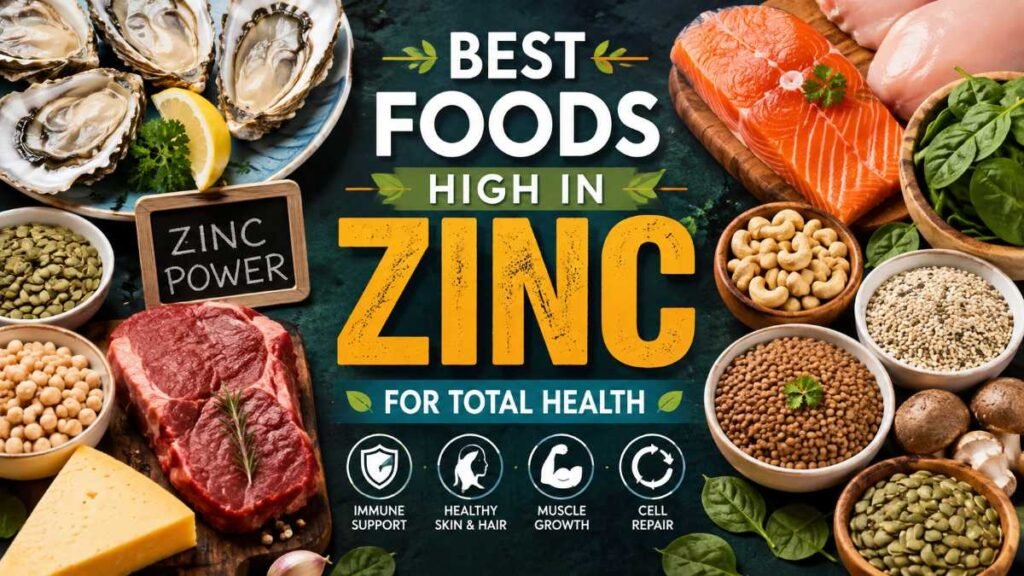
Struggling with sluggish recovery or frequent immune dips despite eating clean? You might be missing a vital trace mineral that powers over 300 enzymatic reactions. While macros steal the spotlight, unlocking true wellness requires adequate foods high in zinc. Discover how to optimize your daily intake naturally, safely, and effectively for peak vitality.
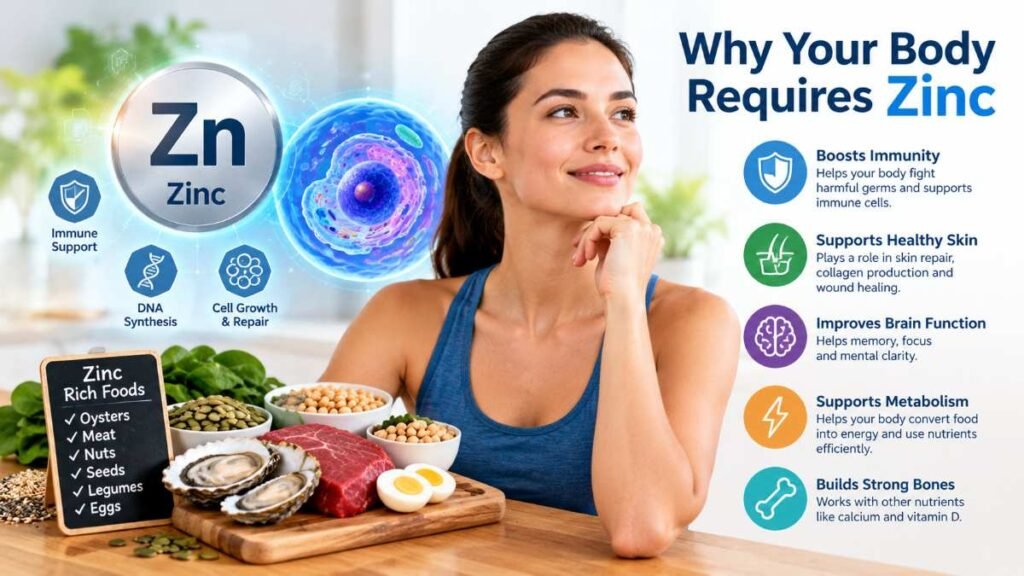
Why Your Body Requires Zinc: An Essential Trace Element
Zinc is an essential trace mineral that the body needs regularly through food. It supports hundreds of enzymes and contributes to normal immune function, DNA and protein synthesis, wound healing, and the sense of taste. While the body does maintain some zinc reserves primarily within skeletal muscle and bone, it lacks a specialized storage system, making consistent daily dietary intake necessary.
For active individuals and adults managing busy schedules, adequate zinc intake contributes to normal protein synthesis and tissue maintenance. When dietary intake falls short over time, physical recovery and immune resilience can be impacted. Understanding how to source this mineral efficiently helps bridge nutritional gaps. To explore how mineral balance connects with broader dietary habits, read our guide on magnesium-rich foods and the core principles behind importance of healthy eating habits.
Daily Zinc Requirements and Recommended Intake
According to dietary guidelines established by the National Institutes of Health (NIH) Office of Dietary Supplements, recommended intake levels vary by age, sex, and life stage.
Population Group | Recommended Dietary Allowance (RDA) | Upper Limit (UL) |
Adult Men (19+ years) | 11 mg / day | 40 mg / day |
Adult Women (19+ years) | 8 mg / day | 40 mg / day |
Pregnancy | 11 mg / day | 40 mg / day |
Lactation | 12 mg / day | 40 mg / day |
Top 15 Foods High in Zinc: Complete Nutritional Breakdown
To help you build a varied diet, the following list details fifteen reliable food sources, including their standard serving sizes, approximate zinc content, and data referenced against USDA FoodData Central and the Health Professional Fact Sheet.
Cooked Pacific Oysters
- Serving Size: 3 ounces (cooked)
- Approximate Zinc Content: ~28.2 mg
- Overview: Cooked oysters provide an exceptionally high concentration of zinc per serving compared to nearly any other food source.
Roasted Bottom Sirloin Beef
- Serving Size: 3 ounces (roasted)
- Approximate Zinc Content: ~3.8 mg
- Overview: Red meat serves as a dependable source of bioavailable minerals, pairing well with other nutrient-dense choices like best iron-rich foods.
Alaskan King Crab
- Serving Size: 3 ounces (cooked)
- Approximate Zinc Content: ~6.5 mg
- Overview: Crustaceans offer a lean protein option packed with trace minerals.
Pork Center-Loin Chops
- Serving Size: 3 ounces (cooked)
- Approximate Zinc Content: ~1.9 mg
- Overview: Lean pork cuts supply steady amounts of daily minerals alongside B-complex vitamins.
Dark Meat Chicken (Thigh or Leg)
- Serving Size: 3 ounces (roasted, meat only)
- Approximate Zinc Content: ~2.4 mg
- Overview: Dark poultry meat contains a higher mineral density than chicken breast, fitting seamlessly into healthy chicken recipes.
Roasted Pumpkin and Squash Seeds
- Serving Size: 1 ounce (about 85 seeds)
- Approximate Zinc Content: ~2.2 mg
- Overview: Seeds offer a convenient plant-based option that can be sprinkled over meals or mixed into an overnight oats recipe.
Hemp Seeds (Hemp Hearts)
- Serving Size: 3 tablespoons (approx. 30g)
- Approximate Zinc Content: ~3.0 mg
- Overview: These versatile seeds deliver healthy fats, plant protein, and essential minerals.
Canned Baked Beans
- Serving Size: 0.5 cup
- Approximate Zinc Content: ~2.9 mg
- Overview: Legumes provide accessible plant-based nutrition, aligning with balanced patterns found in a mediterranean diet meal plan.
Cashews (Dry Roasted)
- Serving Size: 1 ounce (approx. 18 nuts)
- Approximate Zinc Content: ~1.6 mg
- Overview: Tree nuts make a portable snack option that contributes toward daily micronutrient goals.
Cooked Lentils
- Serving Size: 0.5 cup (boiled)
- Approximate Zinc Content: ~1.3 mg
- Overview: Lentils are a staple legume that supports plant-forward diets when prepared effectively.
Plain Low-Fat Yogurt
- Serving Size: 1 cup
- Approximate Zinc Content: ~1.4 mg
- Overview: Dairy products supply modest amounts of zinc alongside calcium and protein.
Quinoa (Cooked)
- Serving Size: 1 cup
- Approximate Zinc Content: ~1.0 mg
- Overview: A pseudo-cereal grain that adds variety and plant protein to daily meals.
Rolled Oats (Cooked)
- Serving Size: 1 cup (cooked with water)
- Approximate Zinc Content: ~2.3 mg
- Overview: Whole grains provide steady energy and contribute to overall dietary fiber intake, supporting goals outlined in our high-fiber foods list.
Cheddar Cheese
- Serving Size: 1.5 ounces
- Approximate Zinc Content: ~1.2 mg
- Overview: Hard cheeses offer concentrated dairy nutrients in compact portions.
Wild Sockeye Salmon
- Serving Size: 3 ounces (cooked)
- Approximate Zinc Content: ~0.5 mg
- Overview: While fish is celebrated for omega-3 fatty acids, varieties like salmon contribute minor amounts of trace minerals alongside protein.
Food Comparison Table: Zinc Content and Adult RDA
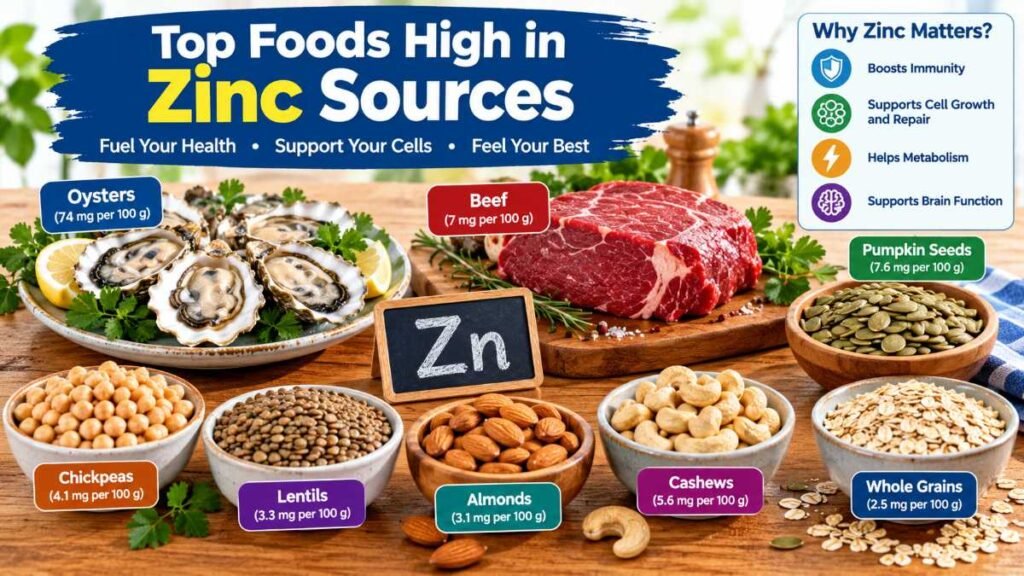
To help you evaluate your dietary options at a glance, here is a structured comparison of select foods high in zinc, outlining their typical serving size, approximate zinc content, estimated calories based on USDA data, and contribution toward the adult Recommended Dietary Allowance (11 mg for men, 8 mg for women).
Food Source | Serving Size | Zinc (mg) | Estimated Calories | % of Adult RDA (Men) | % of Adult RDA (Women) |
Cooked Pacific Oysters | 3 ounces | 28.2 mg | ~140 kcal | ~256% | ~352% |
Roasted Bottom Sirloin | 3 ounces | 3.8 mg | ~210 kcal | ~35% | ~48% |
Hemp Seeds | 3 tablespoons | 3.0 mg | ~166 kcal | ~27% | ~37% |
Canned Baked Beans | 0.5 cup | 2.9 mg | ~140 kcal | ~26% | ~36% |
Pumpkin Seeds | 1 ounce | 2.2 mg | ~150 kcal | ~20% | ~27% |
Cooked Lentils | 0.5 cup | 1.3 mg | ~115 kcal | ~12% | ~16% |
Budget-Friendly Swaps for Everyday Nutrition
While seafood options like oysters offer maximum concentration, maintaining optimal nutrition does not require expensive ingredients. You can easily meet your daily targets using budget-friendly pantry staples:
- Swap Oysters for Beans and Lentils: Canned baked beans, chickpeas, and lentils provide steady baseline minerals at a fraction of the cost.
- Incorporate Seeds and Oats: Rolled oats and pumpkin or sunflower seeds offer accessible everyday nutrition, fitting naturally into recipes like our overnight oats recipe.
- Leverage Fortified Grains: Many breakfast cereals and whole grains are fortified with essential micronutrients, helping budget-conscious shoppers maintain consistent intake.
Animal vs. Plant Sources: Understanding Bioavailability and Phytates
When planning your diet, understanding how your body absorbs nutrients is just as important as what is on your plate.
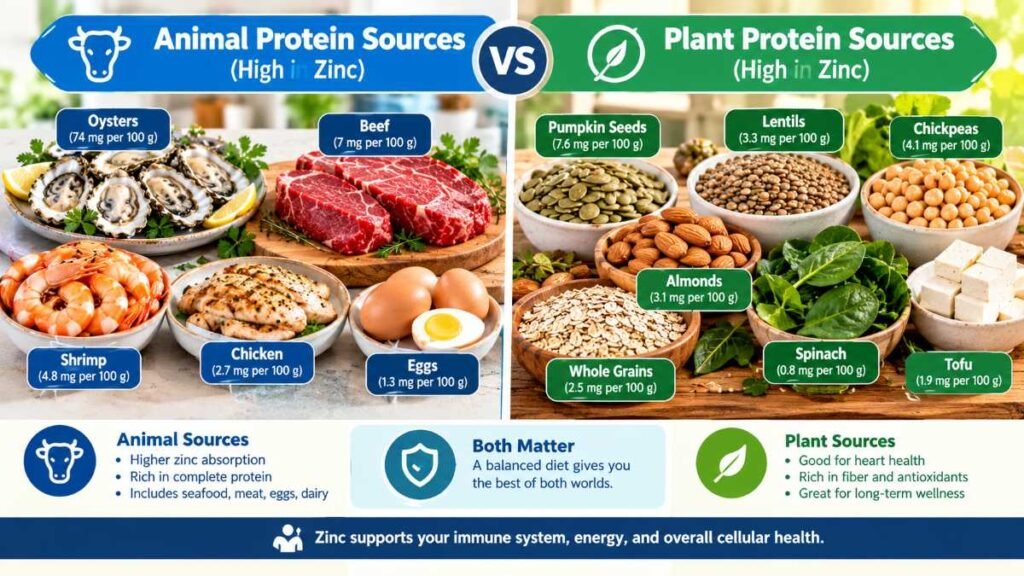
- Animal Sources: Foods like beef, poultry, and seafood feature high zinc bioavailability because animal proteins do not contain compounds that inhibit absorption.
- Plant Sources: Plant foods such as beans, lentils, nuts, and whole grains contain natural compounds called phytates. Phytates can bind to minerals like zinc in the digestive tract, which may reduce their absorption rate.
However, traditional kitchen preparation techniques—such as soaking beans and grains, sprouting seeds, or fermenting sourdough—can potentially help reduce phytate content in certain foods and improve mineral availability. For quick meal-planning inspiration, explore our healthy meal prep ideas for lunch.
Vegetarian and Vegan Planning Note
Plant-based diets can fully support nutritional needs when planned thoughtfully. Because phytates in plant foods can bind to minerals and potentially lower absorption rates, individuals following vegetarian or vegan patterns benefit from diversifying their intake. Incorporating a mix of hemp seeds, pumpkin seeds, legumes, and whole grains throughout the week helps ensure a consistent dietary supply.
Practical Daily Meal Plan and Estimated Zinc Calculation
To demonstrate how these foods fit into a real-world menu, here is an estimated sample daily meal plan based on specific portion sizes:
- Breakfast: 1 cup cooked rolled oats prepared with water (~2.3 mg zinc) mixed with 3 tablespoons hemp seeds (~3.0 mg zinc).
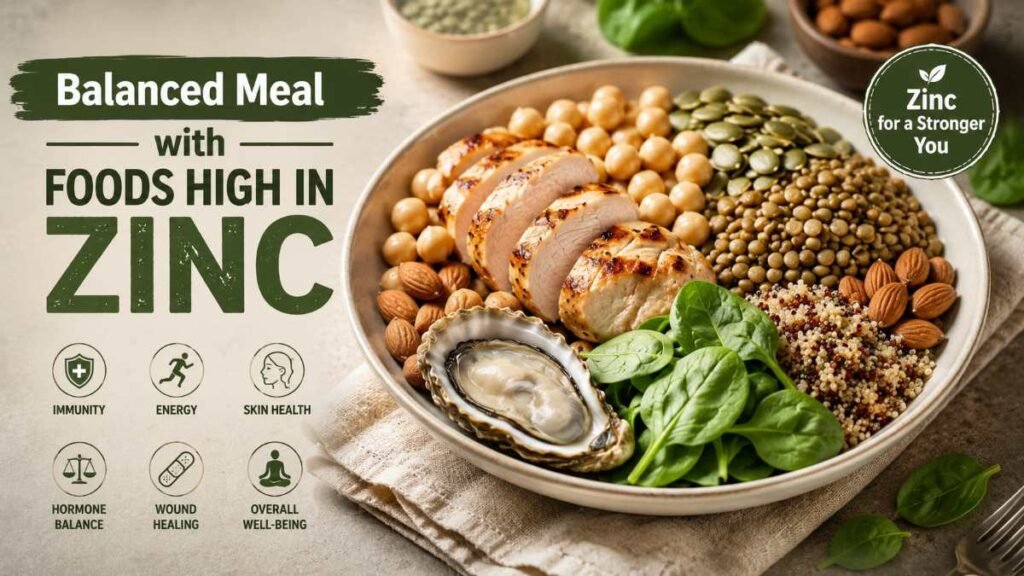
- Lunch: A mixed green salad featuring 1 ounce roasted pumpkin seeds (~2.2 mg zinc) and 0.5 cup chickpeas (~1.3 mg zinc), paired with 3 ounces sliced chicken breast (~0.9 mg zinc).
- Snack: 1 ounce dry-roasted cashews (~1.6 mg zinc).
- Dinner: 3 ounces roasted bottom sirloin beef (~3.8 mg zinc) served with 0.5 cup steamed broccoli (~0.4 mg zinc).
Estimated Total Daily Zinc Intake: ~15.5 mg, which provides a helpful reference for daily intake based on standard food portions while remaining safely below the 40 mg tolerable upper limit. For weekend cooking inspiration, browse meal ideas for the weekend.
Frequently Asked Questions
- What food has the highest zinc?
Cooked oysters provide the highest concentration of zinc per serving among all natural sources, with beef and pumpkin seeds offering excellent daily support.
- How to get 100% of zinc daily?
Combine animal proteins, legumes, and seeds in your meals to consistently meet your daily requirements using foods high in zinc.
- What fruit is rich in zinc?
Fruits contain minimal trace amounts; avocados and blackberries offer slight quantities, best paired with primary foods high in zinc.
- What are 7 warning signs of zinc deficiency?
Persistent fatigue and slow structural recovery are frequent indicators of inadequate mineral intake, easily managed by regularly consuming wholesome foods high in zinc.
Conclusion
Building a balanced nutritional pattern involves choosing whole, nutrient-dense foods that fit your lifestyle and personal preferences. By intentionally combining animal- and plant-based foods high in zinc with proper preparation methods, you can support your daily wellness goals sustainably. Review your dietary habits, focus on variety, and consult healthcare professionals for personalized guidance.
Pro Tip: Take a quick inventory of your pantry today and toss a spoonful of nutrient-rich hemp or roasted pumpkin seeds into your breakfast bowl to naturally boost your daily wellness routine.
Source and Editorial Note
- Data Sources: Nutritional values and guidelines adapted from the USDA FoodData Central and the NIH Office of Dietary Supplements Health Professional Fact Sheet.
- Editorial Fact-Check: Based on published USDA and NIH reference tables. Content assembled for informational clarity.
Editorial & Food Safety Disclaimer
This article is published for informational and educational purposes only and does not constitute medical advice, diagnosis, or treatment. Always consult with a qualified physician or registered dietitian before making significant changes to your diet or supplement regimen. Food safety guidelines adapted from the U.S. Department of Agriculture (USDA) and the National Institutes of Health (NIH) emphasize proper handling, cooking, and storage of perishable proteins to minimize foodborne illness risks.
About the Author
Dambar C.P. Rajbanshi is the founder of FitLifePeak, dedicated to translating nutritional science into practical, evidence-based lifestyle guides for readers worldwide.