
More than 300 enzyme-driven reactions in the human body rely entirely on magnesium. From regulating your heartbeat and relaxing muscle contractions to stabilizing blood pressure, building strong bones, and synthesizing cellular energy, this mineral is a quiet powerhouse. Yet, millions of people walk around with suboptimal levels without realizing it.
If you are looking to revitalize your nutrition and optimize your wellness naturally, filling your kitchen with the right ingredients is the smartest place to start. Let us dive deep into the science of magnesium, explore the top nutrient-dense choices, and look at how you can easily integrate these magnesium-rich foods into your daily lifestyle.
Why Magnesium Matters: The Silent Health Driver
Magnesium plays an indispensable biochemical role throughout your entire body. When your intake falls short, vital cellular processes begin to sputter. Over time, chronic low-level insufficiency can influence everything from your sleep quality to your metabolic health.
While public health guidelines recommended by the National Institutes of Health suggest an intake ranging between 310 mg and 420 mg per day depending on age and sex, very few people track this meticulously. Instead of stressing over numbers and calculators, prioritizing a vibrant variety of whole, unprocessed plant foods and nutrient-dense staples is the most sustainable strategy for long-term health. If you are also focusing on optimizing other essential minerals for full-body wellness, you might want to explore how to incorporate foods high in potassium into your daily meal planning. Furthermore, maintaining overall metabolic balance is heavily influenced by your daily macronutrient choices; learning how to structure your morning nutrition with a high protein breakfast can further support steady energy levels, while ensuring your eating patterns remain sustainable by reviewing guidance on an anti-inflammatory diet.
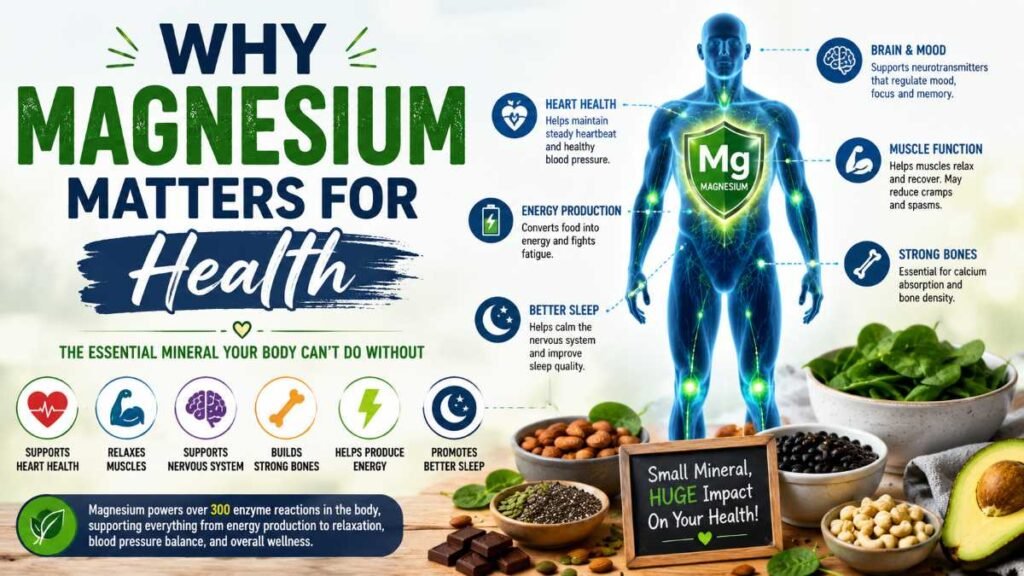
Quick Reference Table: Top Magnesium-Rich Foods
Nutritional values below are referenced from standard USDA Food Data Central composition databases for optimal dietary tracking.
Food Source | Serving Size | Approximate Magnesium |
Pumpkin Seeds | 1 oz (roasted) | 168 mg |
Spinach (Cooked) | 1 cup | 158 mg |
Black Beans (Cooked) | 1 cup | 120 mg |
Cashews | 1 oz (roasted) | 83 mg |
Buckwheat (Cooked) | 1 cup | 86 mg |
Dark Chocolate (70-85% cocoa) | 1 oz | 64 mg |
Avocados | 1 medium | 58 mg |
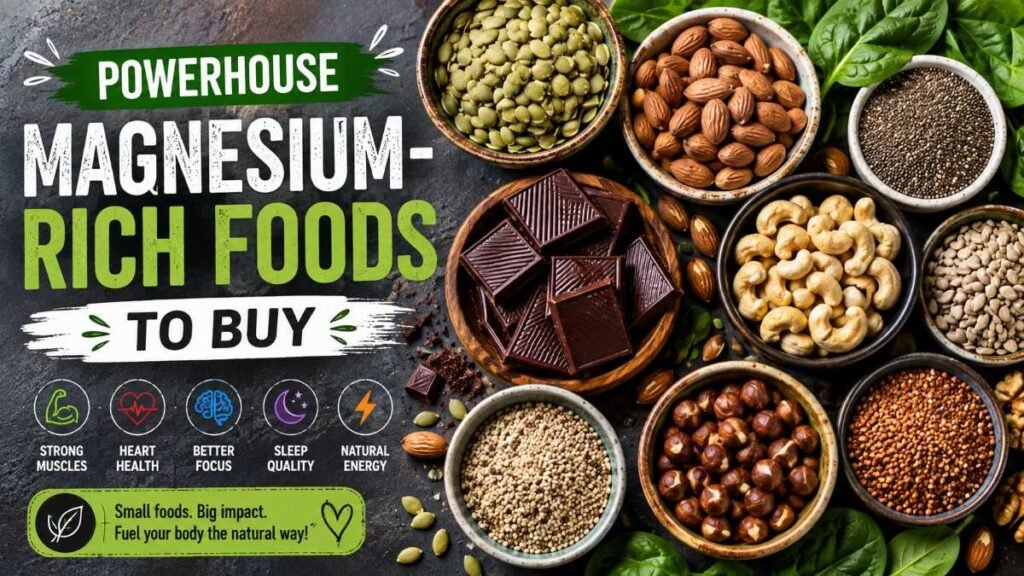
10 Powerhouse Magnesium-Rich Foods to Add to Your Cart
To help you upgrade your grocery list, here are ten of the most nutrient-dense food groups packed with natural magnesium, along with practical serving sizes.
Dark Chocolate
If you needed a science-backed excuse to enjoy a sweet treat, here it is. High-quality dark chocolate is exceptionally rich among magnesium-rich foods category staples, delivering roughly 65 mg in a single 1-ounce serving (about 15% of your daily value).
- Beyond Magnesium: It is loaded with iron, copper, manganese, and prebiotic fiber that nourishes beneficial gut bacteria.
- Antioxidant Power: Dark chocolate contains potent flavanols that protect your cardiovascular system by preventing LDL cholesterol from oxidizing. Tip: Choose bars with at least 70% cocoa solids to maximize health benefits.
Avocados
Creamy, versatile, and incredibly nutritious, avocados are a fantastic fruit source of magnesium-rich foods, providing around 58 mg in one medium fruit.
- Healthy Fats: Unlike most fruits, avocados are rich in heart-healthy monounsaturated fats.
- Fiber and Inflammation: They are packed with dietary fiber and potassium, and regular consumption has been shown to reduce systemic inflammation and improve overall cholesterol profiles. For a comprehensive look at building an overall anti-inflammatory eating pattern, take a look at insights shared by Harvard Health Publishing as well as our detailed guide on the anti-inflammatory diet.
Nutrient-Dense Nuts
Nuts are the ultimate pocket-sized superfood. Varieties like cashews, almonds, and Brazil nuts pack a massive nutritional punch. A 1-ounce serving of roasted cashews provides about 83 mg of magnesium.
- Metabolic Support: Nuts deliver healthy fats, plant protein, and fiber that support stable blood sugar levels.
- Micronutrient Boost: Brazil nuts, for instance, are also exceptionally high in selenium, making a single nut an incredible daily booster.
Plant-Based Legumes
Beans, lentils, chickpeas, and soybeans form the backbone of many longevity-focused diets. A single cup of cooked black beans offers an impressive 120 mg of magnesium.
- Protein and Fiber: Legumes serve as a major plant-based protein source while boasting a low glycemic index, which helps keep your energy levels steady throughout the day.
- Heart Protection: Their rich soluble fiber content helps manage cholesterol and supports long-term cardiovascular health.
Organic Tofu and Soy Products
As a staple in plant-based nutrition, tofu is created by pressing soybean milk into soft curds. A standard 3.5-ounce serving provides roughly 35 mg of magnesium alongside 10 grams of complete protein.
- Bone and Cellular Health: Tofu also supplies calcium, iron, manganese, and selenium, supporting both skeletal integrity and arterial health.
Seeds (Pumpkin, Chia, and Flax)
Don’t underestimate tiny seeds—they’re packed with nutrients. Pumpkin seeds are true magnesium powerhouses, serving up roughly 168 mg per ounce to cover almost 40% of what your body needs daily.
- Fatty Acids: They are packed with plant-based omega-3 fats, iron, and fiber.
- Cellular Defense: Seeds contain powerful antioxidant compounds that shield your cells from oxidative stress caused by daily metabolism.
Whole Grains
Swapping refined grains for whole-food alternatives like buckwheat, quinoa, oats, and brown rice is a game-changer for mineral intake. A cup of cooked buckwheat delivers around 86 mg of magnesium.
- Sustained Energy: Whole grains provide complex carbohydrates, B-complex vitamins, and rich fiber that promote digestive health and lower inflammatory markers.
Fatty Fish
If you eat animal protein, fatty fish like salmon, mackerel, and halibut are exceptional additions to your menu. A 3.5-ounce fillet of cooked salmon provides about 30 mg of magnesium alongside 22 grams of high-quality protein.
- Omega-3s: The high concentration of omega-3 fatty acids supports brain function, lowers triglycerides, and protects against chronic heart conditions.
Ripe Bananas
While universally famous for their potassium content, bananas also contribute a respectable amount of magnesium, with roughly 37 mg in a large banana.
- Digestive Health: Unripe or slightly green bananas are rich in resistant starch, a special type of prebiotic fiber that feeds healthy gut flora, improves insulin sensitivity, and reduces inflammation.
Dark Leafy Greens
Leafy greens like spinach, Swiss chard, and kale are nutritional royalty. A single cup of cooked spinach packs a massive 158 mg of magnesium—over one-third of your daily needs.
- Vitamins Galore: Alongside magnesium, greens deliver heavy doses of vitamins A, C, K, and essential iron. To support your overall vitality and prevent common energy crashes, pairing these greens with iron-focused strategies is wise; you can read more via this breakdown on best iron rich foods.
How to Meet Your Daily Magnesium-Rich Foods Intake Without Stress
Tallying every milligram of every nutrient you consume is tedious, unsustainable, and unnecessary. Instead of pulling out a calculator at every meal, adopt a “food first” philosophy centered around variety.
Registered dietitians recommend structuring your daily meals around a few simple habits:
- Aim for at least five total servings of colorful fruits and vegetables every day.
- Incorporate a minimum of three servings of whole grains into your daily routine.
- Snack on a small handful (about a quarter cup) of nuts or seeds daily.
- Feature a serving of legumes or dark leafy greens into your lunches or dinners most days of the week.
If your daily routine makes it difficult to hit these targets consistently, focusing on structured meal prep can make all the difference. For instance, setting up healthy, nutrient-dense morning meals can kickstart your mineral intake.
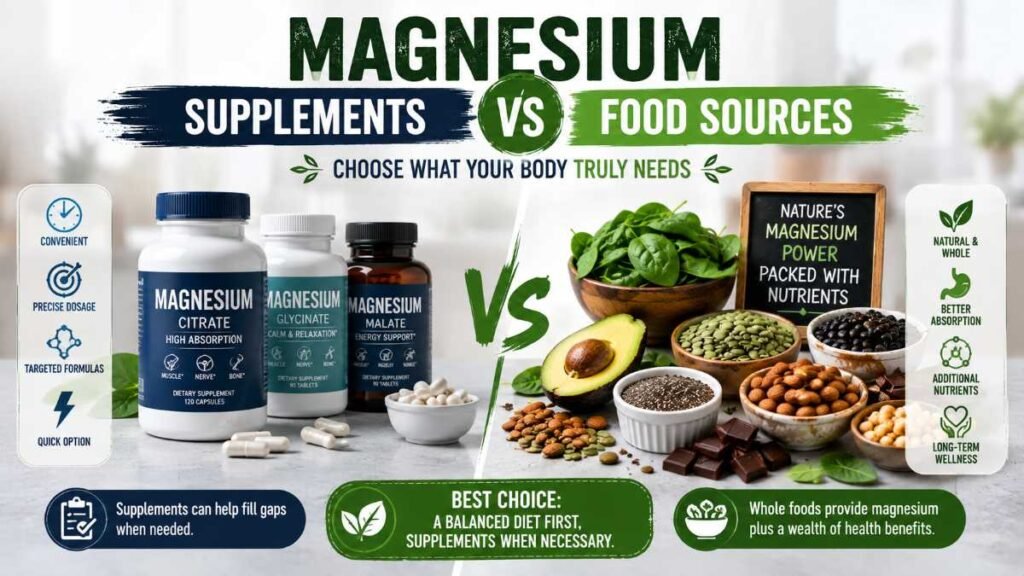
What About Magnesium Supplements?
When people realize they might be falling short, their first instinct is often to head to the pharmacy aisle for a high-dose supplement. However, experts generally advise against self-prescribing heavy mineral supplements unless a physician evaluates your overall clinical context and nutritional status.
- The Risks of Over-Supplementation: Taking massive doses of isolated magnesium without professional guidance can trigger uncomfortable gastrointestinal side effects, including severe cramping, diarrhea, and nausea.
- Synergistic Nutrition: Whole foods offer a matrix of complementary nutrients—vitamins, trace minerals, and phytonutrients—that work together synergistically in ways an isolated pill simply cannot replicate.
Furthermore, lifestyle factors play a huge role in how your body utilizes nutrients. Chronic stress, for example, can occasionally impact your body’s nutrient demands and overall well-being. If you deal with high-stress environments or sleep disturbances, addressing your body’s stress response is just as crucial as modifying your plate. You can learn more about managing physical stress markers through this guide on how to lower cortisol levels.
Frequently Asked Questions
What food has the highest magnesium?
Pumpkin seeds lead the pack among magnesium-rich foods, delivering a massive 168 mg per 1-ounce serving—covering nearly 40% of your daily needs. Cooked spinach, black beans, and dark chocolate are also top contenders.
What are the main signs of magnesium deficiency?
Early warning signs your body needs more magnesium include frequent muscle cramps, persistent fatigue, loss of appetite, irregular heartbeats, and sudden numbness or tingling.
How can you get 100% of your daily magnesium?
You can easily hit your daily requirement by combining diverse magnesium-rich foods throughout the day—such as a handful of pumpkin seeds, a bowl of cooked leafy greens, and a portion of legumes or whole grains.
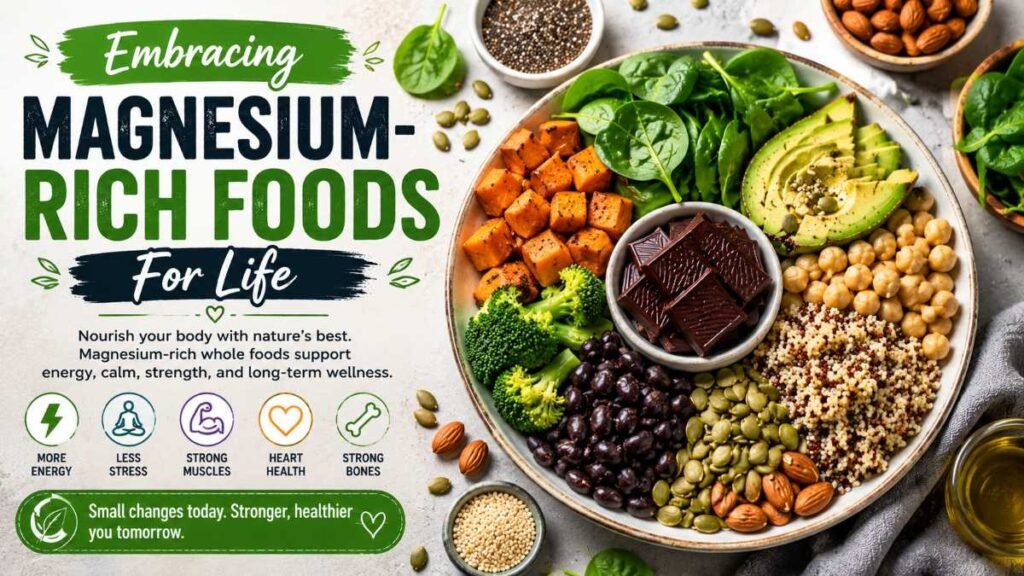
Expert Conclusion: Embracing Magnesium-Rich Foods for Lifelong Vitality
Getting enough essential minerals doesn’t have to mean counting every milligram or relying on pricey supplements. By anchoring your daily nutrition around a colorful, plant-forward variety of magnesium-rich foods like whole grains, legumes, seeds, and leafy greens, you build a resilient foundation for sustained metabolic health, cellular energy, and cardiovascular wellness. Treat your plate as your primary pharmacy, and let natural, wholesome ingredients deliver the vital support your body deserves
External References (Authority Sources)
About the AuthorDambar CP.R. is the founder of FitLifePeak and a health and wellness content creator. He creates evidence-based articles on nutrition, fitness, and healthy living, making trusted health information simple, practical, and easy to understand.
Medical Disclaimer: The information provided in this article is for educational and informational purposes only and should not be used as medical advice. Always consult a qualified healthcare professional before making significant dietary changes or taking supplements. Never disregard professional medical advice or delay seeking it based on content read on this website.