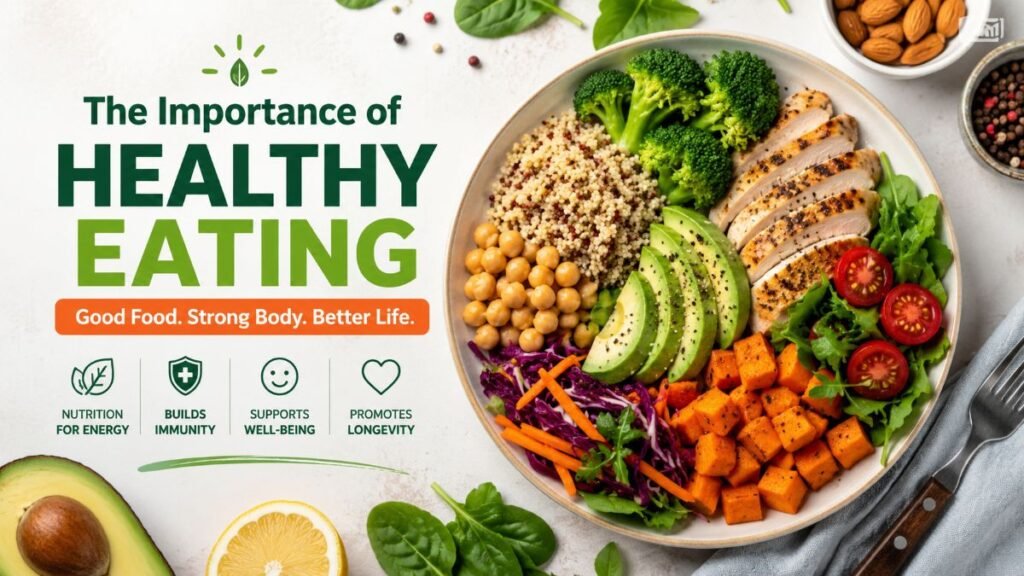
What if your everyday meals are influencing far more than hunger? The foods you eat regularly can affect energy, fullness, digestion, body weight, and the nutritional foundation of long-term health. The importance of healthy eating habits is not about following a rigid diet or labeling every food “good” or “bad.” It is about creating a realistic pattern that gives your body what it needs while still leaving room for foods you actually enjoy.
Why Your Eating Pattern Matters
Nutrition gets confusing when every conversation turns into a debate about one nutrient or one “superfood.”
Protein, fiber, iron, magnesium, vitamin C, omega-3 fats, and other nutrients all matter. But your body does not eat nutrients separately. It gets them through meals, snacks, drinks, and your overall dietary pattern.
That is why variety matters more than chasing perfection.
The World Health Organization’s healthy-diet guidance emphasizes adequacy, balance, moderation, and diversity as key principles of healthy eating.
Your version of a healthy diet may not look exactly like someone else’s. Culture, budget, food availability, age, activity level, preferences, and individual nutritional needs all influence what belongs on your plate.
The goal is simpler: build a pattern that is nutritious enough to support your needs and realistic enough to maintain.
Think in Meals, Not Nutrients
Consider a basic meal of lentils, vegetables, brown rice, and a little healthy fat.
You are not eating “protein,” “fiber,” or “vitamins” as separate products. You are eating a combination that provides several nutrients together.
The same idea applies to convenience foods.
Frozen vegetables, canned beans, plain yogurt, oats, whole-grain bread, and other minimally processed options can make nutritious eating much easier. A food does not automatically become unhealthy because it comes in a package.
Your everyday eating pattern matters far more than any single meal.
Supplements can have a legitimate role when someone has a diagnosed deficiency or a specific nutritional requirement. But they should complement a varied diet rather than become a substitute for one.
Your body is also doing maintenance work around the clock. Muscle tissue is repaired, cells are renewed, enzymes are produced, and countless chemical reactions keep normal body functions moving.
Good nutrition cannot guarantee perfect health. It simply gives your body many of the raw materials it needs to function normally.
That is where the importance of healthy eating habits becomes real. You don’t need perfect meals—just choices that work well for you most days.
For another perspective on building a nutrient-rich dietary pattern, see the anti-inflammatory diet.
Food, Energy, and Fullness
The afternoon slump is familiar.
Lunch is over. Work continues. A few hours pass, and suddenly coffee, cookies, or something sweet sounds much more appealing than it did earlier.
Food is not the only factor behind energy levels. Sleep, stress, hydration, physical activity, total calorie intake, and health conditions all play a role.
Still, what you put together on your plate can make a difference in how satisfying and nutritionally useful a meal is.
A meal built mostly around refined carbohydrates and added sugars is different from one that combines protein, fiber-rich carbohydrates, vegetables, and healthy fats.
That does not mean carbohydrates are bad.
Carbohydrates are an important energy source. The more useful question is where they come from and what else they bring to the meal.
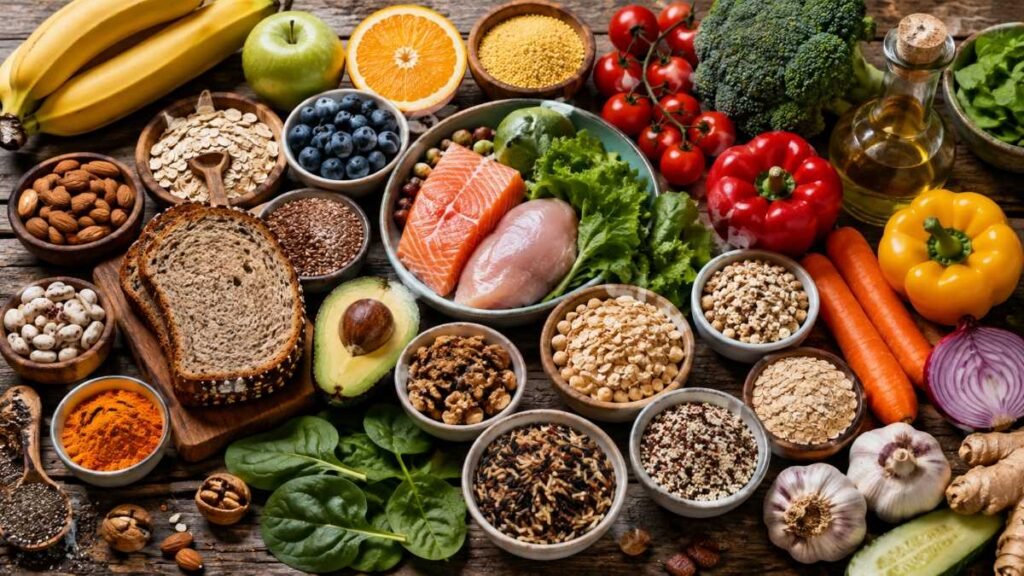
Oats, beans, lentils, vegetables, fruits, and whole grains provide carbohydrates alongside fiber and other nutrients. That is a different nutritional package from relying heavily on sugary drinks, candy, pastries, or refined snack foods.
Protein Can Make a Difference
Your body uses protein to support muscle, tissue repair, and everyday maintenance. It can also contribute to satiety, which makes it useful throughout the day.
Breakfast is an easy place to start.
Eggs, plain yogurt, cottage cheese, tofu, beans, lentils, fish, and poultry can all provide protein depending on your preferences.
If you regularly eat breakfast but find yourself hunting for a snack an hour later, take another look at the meal. It may simply need more protein, fiber, or overall substance.
These high-protein breakfast ideas can give you practical options.
Do Not Fear Dietary Fat
Healthy eating does not mean removing fat from your plate.
Nuts, seeds, fish, avocado, and plant oils provide unsaturated fats that can fit comfortably into a balanced eating pattern. Replacing some saturated fats with unsaturated fats is also a practical way to improve overall dietary quality.
The goal is not to create meals that merely look healthy.
The goal is to create meals that satisfy you and provide useful nutrition.
That distinction matters because food you enjoy is much easier to eat consistently.
And consistency is central to the importance of healthy eating habits. One nutritious meal is nice. A sensible pattern repeated for months is much more meaningful.
Gut Health and Immunity
Digestion is only one part of what your gut does
Your gut contains a complex community of microorganisms, and the foods you regularly eat help shape the environment in which they live.
The good news is that supporting your digestive health does not require expensive powders, exotic ingredients, or a refrigerator full of specialty products.
Start with ordinary foods.
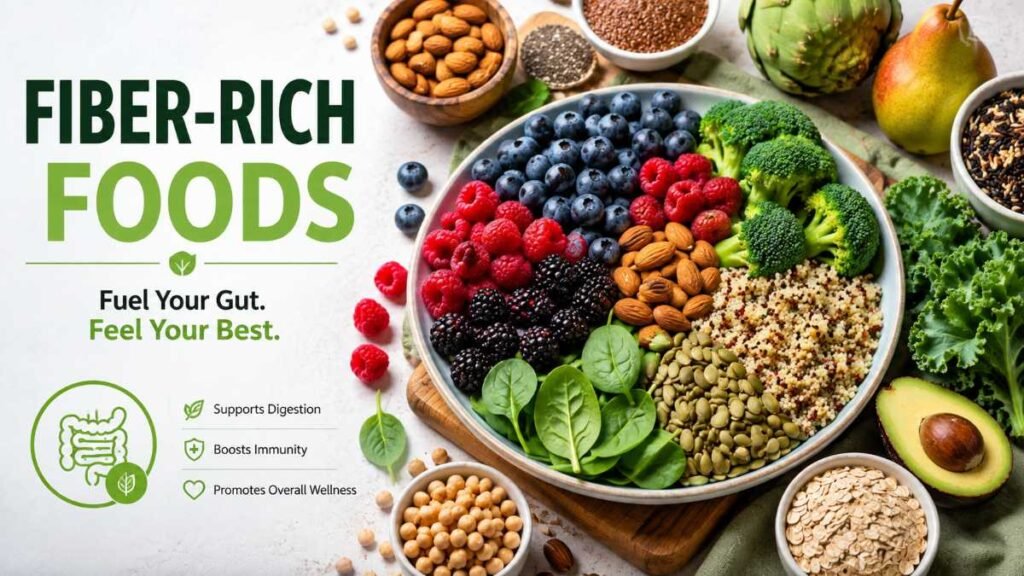
Vegetables, fruits, beans, lentils, whole grains, nuts, and seeds provide dietary fiber. Different types of fiber behave differently, and some can be fermented by gut microorganisms.
That is one reason variety is more useful than searching for a single “best” gut-health food.
Instead of asking:
“What should you eat to support a healthier gut?”
Try asking:
“Which everyday foods can help support your gut?”
That question is easier to act on.
Increase Fiber Gradually
Fiber is valuable, but suddenly making a huge jump in fiber intake can leave some people feeling bloated or uncomfortable.
A gradual approach is usually more practical.
Add vegetables to meals. Choose whole grains more often. Include beans or lentils regularly. Keep fruit available for snacks.
Adequate fluid intake can also help as you increase fiber.
For more practical choices, see this high-fiber foods list.
What About Immunity?
There is no single food that instantly “boosts” your immune system.
Immune function is influenced by many factors, including nutritional status, sleep, physical activity, age, stress, and overall health.
A varied diet can help provide nutrients involved in normal physiological function. Colorful vegetables and fruits also offer a broad mixture of vitamins, minerals, and naturally occurring plant compounds.
Think less about superfoods and more about variety.
Leafy greens. Tomatoes. Berries. Citrus fruits. Peppers. Beans. Nuts. Seeds.
You do not need all of them every day. You simply want more diversity across your normal diet.
It is also worth keeping packaged foods in perspective. Frozen vegetables and canned beans can be extremely useful when time, storage, or budget is limited.
The bigger concern is when foods high in added or free sugars, sodium, and unhealthy fats repeatedly crowd out more nutritious choices.
For another lifestyle factor connected with overall well-being, you can read about ways to lower cortisol levels.
The importance of healthy eating habits is not about discovering an immune hack. It is about giving your body a consistent nutritional foundation.
Weight Management Without Food Rules
Nutrition can feel far more complicated than it needs to be.
“No carbs.”
“No sugar.”
“Only salads.”
“Eat as little as possible.”
“Never eat after 7 PM.”
Rules like these are easy to repeat, but that does not automatically make them useful.
Sustainable weight management is influenced by overall energy intake, food quality, physical activity, sleep, appetite, environment, and personal preferences.
There is also a big difference between eating less and eating in a way that leaves you satisfied.
Protein and fiber can contribute to fullness, while many minimally processed foods provide plenty of volume and nutrients relative to their calorie content.
That can make a balanced eating pattern easier to maintain.
Stop Saving Everything for Dinner
Imagine skipping meals during the day because you want to “save calories.”
By evening, you are tired, hungry, and thinking about food constantly.
Now the cookies sitting in the kitchen require an unreasonable amount of willpower to ignore.
Sometimes your strategy is the problem, not your self-control. The strategy itself may be setting you up for a difficult evening.
A satisfying meal earlier in the day can make hunger easier to manage.
Instead of asking:
“How little can I eat?”
ask:
What can I choose that fills me up and supports good nutrition?”
That is a far more useful question.
Keep Muscle in the Picture
Weight management should not be reduced to the number on a scale.
Protein plays an important role in maintaining muscle tissue, while resistance training provides a stimulus for maintaining and building muscle.
That matters because strength and physical function are part of health too.
For women looking for practical strength-focused food options, these muscle-building foods for women provide additional ideas.
The importance of healthy eating habits becomes clearer when the goal changes from losing weight as quickly as possible to building a routine you can still follow months from now.
Ordinary Choices, Long-Term Benefits
The nutrition habits that matter most are rarely dramatic.
Eat vegetables regularly.
Choose whole grains more often.
Include beans and lentils.
Eat adequate protein.
Choose healthier fat sources.
Drink water regularly.
These choices may not make exciting social-media headlines, but they can form the foundation of a nutritious dietary pattern.
The World Health Organization notes that healthy diets can help protect against malnutrition and reduce the risk of several noncommunicable diseases, including cardiovascular disease, type 2 diabetes, stroke, and some cancers. That does not mean one food prevents disease. Your overall dietary pattern matters much more.
Heart and Metabolic Health
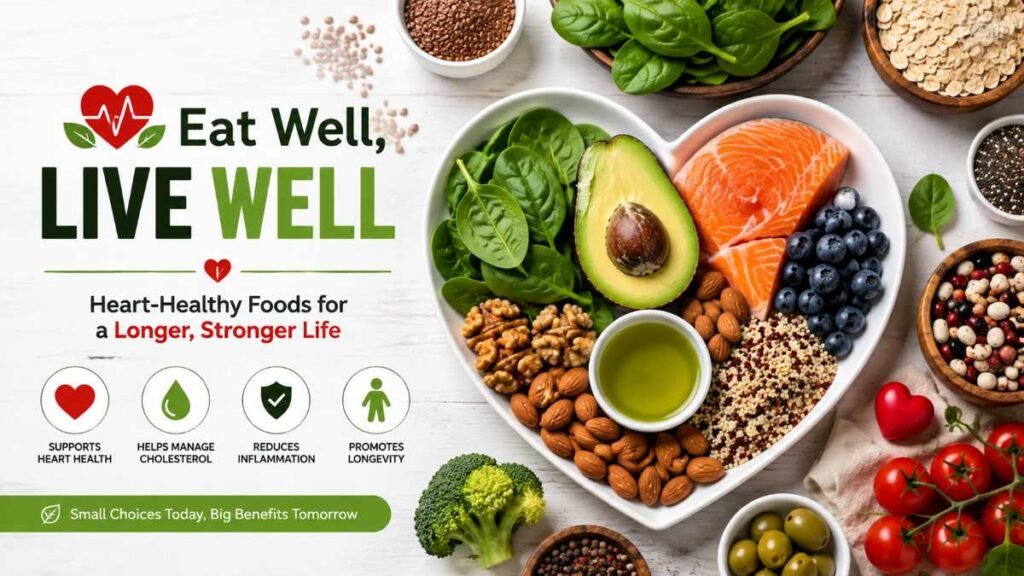
A balanced diet can include vegetables, fruits, legumes, whole grains, nuts, seeds, fish, and other nutrient-rich foods.
There is also no reason to fear carbohydrates simply because they contain carbohydrates.
Beans, lentils, fruits, vegetables, and whole grains provide carbohydrates alongside fiber and other nutrients.
The better question is not:
“Are carbs bad?”
It is:
“What does this food add to the meal?”
That shift takes the drama out of eating and puts the focus back on nutritional quality.
Iron Is a Good Example
Iron is essential, but you do not need to build your diet around one “superfood.”
Depending on dietary preferences, useful sources include meat, seafood, beans, lentils, and fortified foods.
If you want more practical options, see these best iron-rich foods.
Nutrition is only one part of long-term health. Regular physical activity, adequate sleep, stress management, avoiding tobacco, and appropriate medical care matter too.
That is why the importance of healthy eating habits should never be presented as a replacement for medical care or a guarantee against disease. It is one important part of a much bigger health picture
Build a Diet You Can Actually Live With
Nutrition becomes more useful when you connect it to real life.
You want enough energy to work.
You want to recover after exercise.
You want to keep your muscles strong and your bones healthy.
You want to stay mobile as you get older.
Food can support those goals, but there is no perfect meal that accomplishes everything.
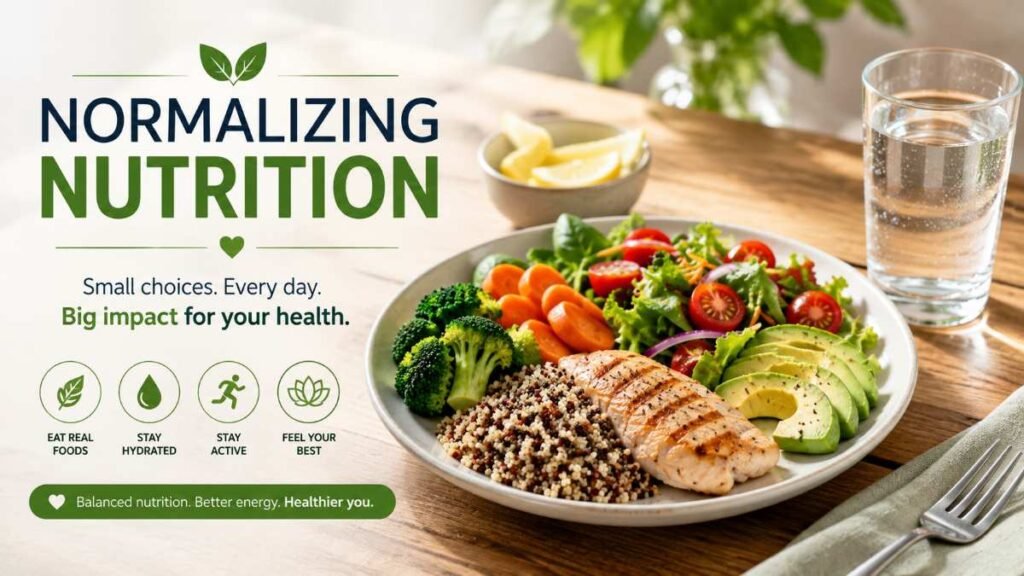
Build a Better Plate
A simple starting framework is:
- ½ plate: vegetables and fruit
- ¼ plate: protein-rich foods
- ¼ plate: whole grains or other fiber-rich carbohydrate sources
- Include a little fat from nutritious sources.
- Choose water or another suitable unsweetened beverage most of the time
This is a practical framework, not a medical prescription
. Individual nutritional needs vary.
The Harvard Healthy Eating Plate guidance similarly emphasizes vegetables and fruits, whole grains, healthy protein sources, healthy oils, and water.
Make the Kitchen Work for You
You do not need to throw away everything in your pantry.
Instead, pay attention to what you reach for most often.
If highly processed snacks are always the easiest option, make nutritious choices easier to grab.
Keep fruit visible.
Have yogurt available.
Keep canned beans in the cupboard.
Cook extra vegetables with dinner.
Store nuts in convenient portions.
The objective is not a perfect kitchen. It is fewer moments where you have to rely entirely on willpower.
Preparation Beats Motivation
You will not feel motivated to eat perfectly every Tuesday night.
Nobody does.
That is why basic preparation helps.
Cook a batch of grains. Wash fruit. Prepare vegetables. Keep an easy protein source available. Make tomorrow’s breakfast easier before you go to bed.
You do not need seven identical meal-prep containers lined up in your refrigerator.
You just need enough preparation to make a sensible choice convenient.
And healthy eating does not have to be expensive.
Oats, rice, beans, lentils, eggs, seasonal produce, frozen vegetables, yogurt, and other basic foods can form the foundation of nutritious meals without requiring specialty products.
That practical approach is what makes the importance of healthy eating habits relevant to everyday life. The best eating plan is rarely the one that looks impressive on paper. It is the one you can actually live with.
Summary: Make Healthy Eating Normal
Healthy eating does not need to become another source of stress.
Build most meals around vegetables, fruits, fiber-rich carbohydrates, quality protein, and healthier fats. Keep nutritious foods convenient, drink water regularly, and leave room for foods you genuinely enjoy.
Start small and build better habits gradually
Make one better choice. Repeat it. Let it become normal.
That is the real importance of healthy eating habits—not perfection or punishment, but a sustainable way of eating that supports the life you want to live.
Frequently Asked Questions
Q1: What is the importance of healthy eating habits?
The importance of healthy eating habits lies in boosting daily energy, improving digestion, and preventing chronic health issues.
Q2: Why is the healthy eating plate important?
It visualizes meal balance naturally, emphasizing the importance of healthy eating habits without tedious calorie counting.
Q3: What is the 3-3-3 rule for healthy eating?
It involves 3 main meals, 3 daily snacks, and 3 key nutrients to build consistent eating habits.
Q4: What are the 7 healthy eating habits?
Whole foods, portion control, hydration, fiber intake, lean protein, reduced sugar, and consistent meal timing.
Trusted References
For readers who want to verify the broader nutrition guidance behind this article:
- World Health Organization — Healthy Diet
- Harvard T.H. Chan School of Public Health — Healthy Eating Plate
Medical Disclaimer:This content is for informational purposes only and does not substitute professional medical advice. Always consult a qualified healthcare provider regarding individual health, dietary needs, or medical conditions.
About the AuthorDambar CP.R. is the founder of FitLifePeak and a health and wellness content creator. He creates evidence-based articles on nutrition, fitness, and healthy living, making trusted health information simple, practical, and easy to understand.