
Have you been waking up after eight hours of sleep only to feel as though you pulled a double shift, writing it off as simple burnout while your body sounds a silent alarm? That profound, bone-deep fatigue might not just be stress; it is often the earliest, most deceptive whisper of a vitamin b12 deficiency symptoms cascade silently disrupting your nervous system, cellular energy, and cognitive sharpness long before standard blood tests raise a red flag.
The Progression Timeline: How a Deficiency Unfolds
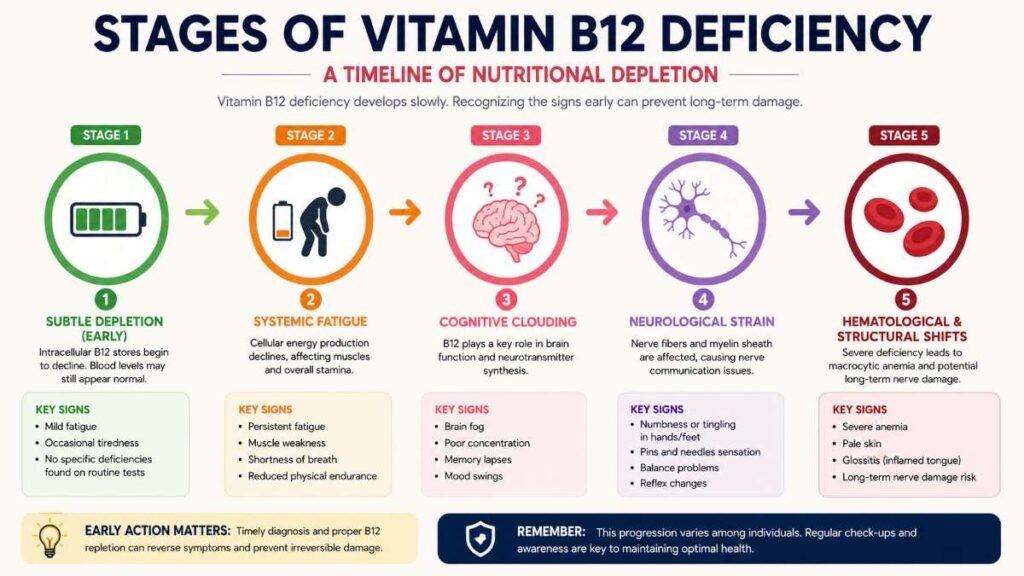
Understanding how a cobalamin shortage develops can help you catch warning signs before permanent disruptions occur. The physiological descent generally maps across these distinct phases:
- Subtle Depletion (Early): Intracellular storage reserves begin to taper down while serum counts remain temporarily normal.
- Systemic Fatigue: Cellular oxygenation wanes, triggering persistent exhaustion and mild muscular sluggishness.
- Cognitive Clouding: Brain fog, short-term memory hiccups, and fluctuating moods emerge as neurotransmitter synthesis shifts.
- Neurological Strain: Mild peripheral neuropathy, such as tingling in the fingers or toes, becomes apparent.
Hematological and Structural Shifts: Macrocytic anemia surfaces alongside potential long-term nerve fiber vulnerability if left unaddressed.
The Hidden Anatomy of a Cobalamin Shortage
Your body relies on cobalamin (cobalt-containing vitamin B12) to orchestrate vital biological processes, from synthesizing DNA to protecting your central nervous system. Unlike other water-soluble nutrients, your liver can store years’ worth of this vital compound, meaning a deficiency creeps up slowly.
When reserves run dry, it does not happen overnight. The depletion generally unfolds in stealthy stages:
- Cellular Depletion: Serum levels drop, followed by a drain on intracellular stores.
- Biochemical Stress: Elevated homocysteine and methylmalonic acid levels may contribute to ongoing nerve sheath vulnerability.
- Clinical Manifestations: Advanced presentation involving severe hematological imbalances and profound neurological consequences.
If you are looking to optimize your nutritional intake alongside addressing this issue, exploring structured meal planning can be a great step forward. You can consult a professional health consultant’s guide on a balanced diet plan to ensure your overall nutrient intake supports long-term metabolic health.
Decoding the Physical and Cellular Red Flags
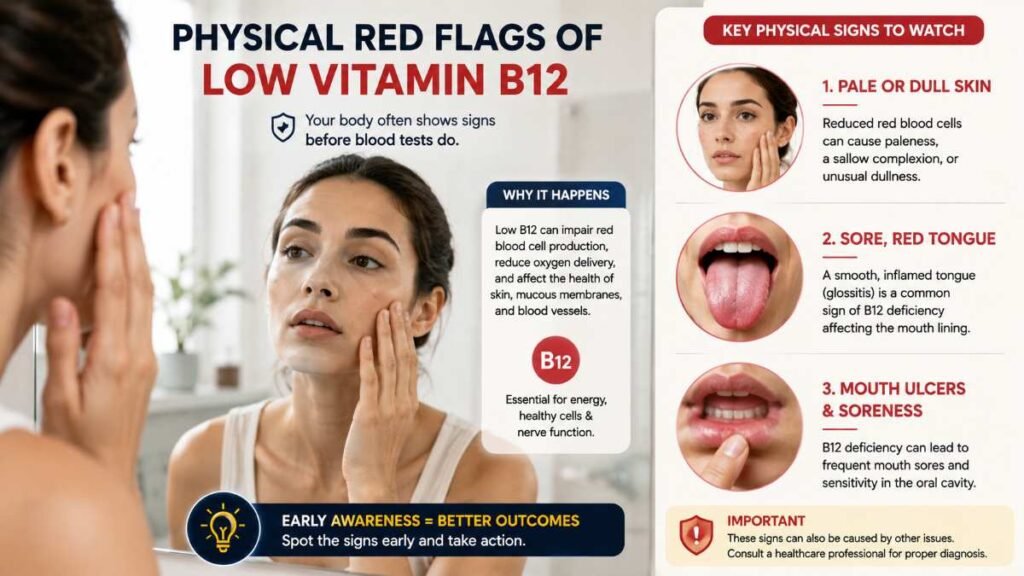
Because red blood cells require adequate B12 to mature properly, a shortage frequently results in oversized, poorly functioning cells (macrocytic anemia). This can impair efficient oxygen delivery throughout your body, triggering distinct physical warnings:
- Exhaustion and Muscular Weakness: No amount of sleep feels restorative because your tissues are starved of optimal oxygenation.
- Dermatological Shifts: Pale skin tones or subtle hyperpigmentation may emerge as blood flow and melanin distribution are altered.
- Oral Manifestations: A smooth, fiery red tongue—clinically known as glossitis—alongside recurring mouth ulcers, often signals mucosal breakdown.
Key Takeaway: “Physical fatigue is frequently just the tip of the iceberg. By the time cellular starvation manifests as physical weakness, the nervous system has often been laboring under biochemical stress for extended periods.”
Supporting your energy pathways requires more than just one isolated nutrient. Pairing your recovery strategy with sustained energy foods, such as those detailed in this resource on high protein breakfast options, helps stabilize daily stamina and metabolic output.
Neurological and Psychological Warning Signs
Perhaps the most startling aspect of low B12 is its psychological and neurological footprint. Because B12 helps maintain the myelin sheath—the protective insulation around your nerves—a deficit is often associated with how electrical impulses travel through your brain and spinal cord.
- Peripheral Neuropathy: Persistent numbness, a distinct “pins and needles” sensation, or an unexplained loss of balance in your hands and feet.
- Cognitive Fog: Brain fog, short-term memory lapses, and a persistent sense of mental sluggishness.
- Mood Disturbances: Uncharacteristic irritability, heightened anxiety, or depressive episodes driven by altered neurotransmitter synthesis.
For individuals struggling with stress-induced neurological wear and tear, managing underlying systemic inflammation is crucial. Reviewing strategies on how to lower cortisol levels can provide valuable context on how chronic stress exacerbates systemic and neurological fatigue.
Unseen Triggers: How Medications and Age Accelerate Depletion
While diet and direct malabsorption are primary culprits, numerous external factors actively deplete your body’s B12 reserves without you ever realizing it.
As we age, our gastric lining naturally thins—a process called atrophic gastritis—which severely limits the hydrochloric acid needed to unlock B12 from food. Beyond aging, everyday pharmaceutical interventions quietly erode nutrient status. Long-term use of acid-suppressing medications (like proton pump inhibitors or H2 blockers) alters stomach pH, while diabetes drugs like metformin can block critical ileal absorption pathways.
Medical researchers note that recognizing these drug-nutrient interactions early can prevent severe peripheral nerve complications. For further clinical reference on dietary standards and absorption mechanics, you can review guidelines provided by the National Institutes of Health (NIH).
Cardiovascular and Circulatory Ramifications
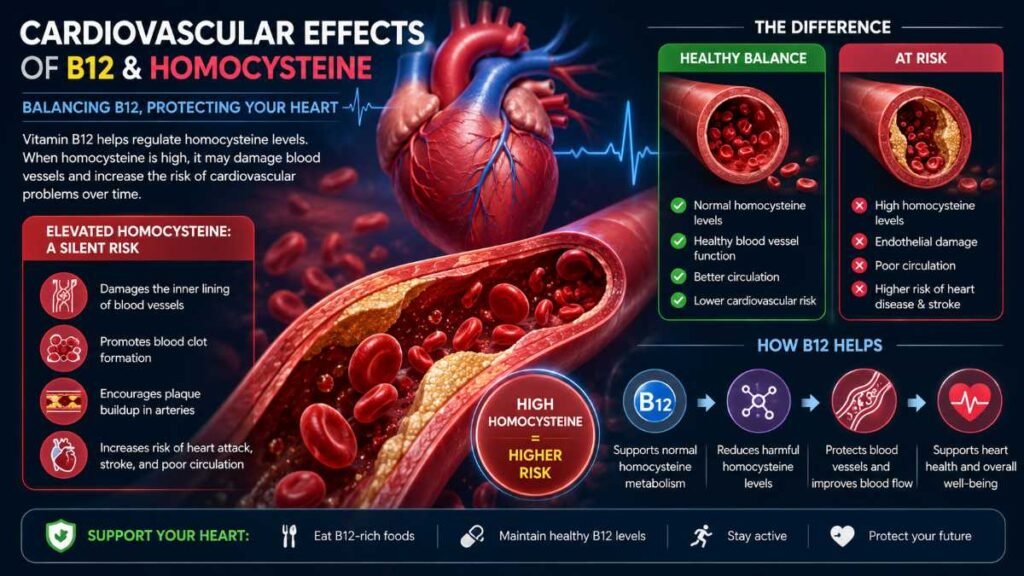
The impact of a profound vitamin b12 deficiency symptoms pattern extends far beyond the brain and muscles; it reaches straight into your cardiovascular grid. When cobalamin levels drop, your body may struggle to process an amino acid called homocysteine efficiently.
Unchecked, accumulations of homocysteine can build up in the bloodstream, creating oxidative stress that is often associated with vascular endothelial wear. This biochemical bottleneck can increase long-term cardiovascular strain, even in individuals with normal baseline cholesterol levels.
To counteract vascular inflammation and support healthy blood circulation, integrating mineral-rich foods is vital. You can reference targeted nutritional layouts, such as those found in this overview of foods high in potassium, to help maintain cellular fluid balance and steady cardiac rhythms.
Comparative Breakdown: B12 Deficiency vs. Iron Deficiency Anemia
Because both nutritional shortages result in fatigue and pallor, they are frequently confused. However, their underlying mechanisms and clinical presentations differ fundamentally:
Feature | Vitamin B12 Deficiency (Macrocytic) | Iron Deficiency (Microcytic) |
Cell Size | Red blood cells become abnormally large (megaloblastic). | Red blood cells shrink in dimension and display a noticeably paler hue. |
Primary Root Cause | Malabsorption issues, intrinsic factor loss, or strict vegan diets without supplementation. | Inadequate dietary intake, chronic blood loss, or heavy menstruation. |
Key Neurological Signs | Prominent numbness, tingling, cognitive fog, and gait instability. | Restless legs syndrome, brittle nails, and hair thinning. |
Diagnostic Markers | Elevated Methylmalonic Acid (MMA) and Homocysteine; low serum B12. | Low serum ferritin, low transferrin saturation, and low total iron. |
To support comprehensive red blood cell optimization, pairing your recovery strategy with proper iron reserves is essential. You can explore curated dietary choices in this review of best iron rich foods.
Top Dietary Sources of Vitamin B12
If your deficiency stems from mild dietary shortfalls rather than severe malabsorption, incorporating nutrient-dense whole foods can make a profound difference:
Food Source | Approximate B12 Content |
Beef Liver (3 oz) | Very High (Exceeds daily recommended requirements) |
Clams and Oysters (3 oz) | Very High |
Salmon & Tuna (3 oz) | High |
Eggs (2 large) | Moderate |
Milk & Dairy Products (1 cup) | Moderate |
Fortified Plant Milks / Cereals | Varies (Check product labels) |
Identifying High-Risk Groups and Root Causes
Why do vibrant, seemingly healthy individuals suddenly experience this nutritional shortfall? The answer usually lies in diet or malabsorption rather than simple intake.
Dietary Restrictions
Because natural B12 is found almost exclusively in animal products (meat, fish, poultry, eggs, and dairy), strict vegans and vegetarians face a high risk unless they intentionally consume fortified alternatives.
Gut Health and Malabsorption
Even if you consume enough B12, your digestive tract must separate it using stomach acid and bind it to an intrinsic factor protein produced in the stomach. Conditions like chronic gastritis, celiac disease, or autoimmune pernicious anemia completely block this pipeline. Additionally, common medications like proton pump inhibitors or metformin can hinder proper absorption over time.
To support optimal gut function and mineral absorption, ensuring your digestive terrain is resilient is paramount. Integrating roughage-rich options, such as those outlined in this comprehensive high fiber foods list, ensures your gut microbiome remains an efficient partner in overall wellness and nutrient extraction.
Diagnostic Pathways and Modern Treatment Options
If you suspect your symptoms stem from a nutritional shortfall, a definitive diagnosis requires medical oversight. Providers typically order a complete blood count (CBC), a direct serum B12 test, and functional markers like methylmalonic acid (MMA) or homocysteine to check for hidden cellular shortages.
- Dietary Adjustments: Incorporating high-B12 whole foods or fortified plant milks, nutritional yeast, and cereals.
- Targeted Supplementation: High-dose oral tablets or sublingual options bypass certain digestive hurdles.
- Medical Interventions: For severe malabsorption or pernicious anemia, intramuscular B12 injections bypass the gut entirely, delivering the nutrient straight into circulation.
For authoritative clinical validation on diagnostic thresholds and therapeutic guidelines, you can consult the medical research catalog provided by the Mayo Clinic. Taking proactive steps to monitor your levels ensures you catch deficiencies before they leave a lasting mark on your long-term vitality.
Expert Conclusion
Navigating the subtle warning signs of nutritional depletion requires keen self-awareness and professional medical guidance. Because vitamin b12 deficiency symptoms often mimic ordinary fatigue, burnout, or generalized stress, they can easily slip past routine observation until cellular and neurological strain becomes pronounced. By understanding your unique risk factors—ranging from modern dietary preferences to natural digestive shifts—and working alongside healthcare providers to run comprehensive blood panels, you can safeguard your cognitive sharpness, steady your energy reserves, and protect your long-term neurological health.

Frequently Asked Questions
Q1: What happens when your vitamin B12 is low?
Ans: Low B12 starves red blood cells and nerves, causing severe fatigue, brain fog, and numbness as primary vitamin b12 deficiency symptoms.
Q2: How can I increase my B12 levels quickly?
Ans: High-dose B12 supplements or injections quickly reverse damage, while eggs and fish help prevent returning vitamin b12 deficiency symptoms.
Q3: What are the two main causes of B12 deficiency?
Ans: Poor gut absorption (like gastritis) and strict plant diets without supplements are the main causes of vitamin b12 deficiency symptoms.
Q4: What is clinically one of the first signs of vitamin B12 deficiency?
Ans: Chronic unexplained fatigue and a smooth, sore red tongue (glossitis) are the earliest clinical vitamin b12 deficiency symptoms.
References
About the AuthorDambar CP.R. is the founder of FitLifePeak and a health and wellness content creator. He creates evidence-based articles on nutrition, fitness, and healthy living, making trusted health information simple, practical, and easy to understand.
Clinical Disclaimer: The following information is provided for educational purposes only and should not replace professional medical advice, diagnosis, or targeted treatment plans. Always consult a qualified healthcare provider regarding any persistent health concerns.