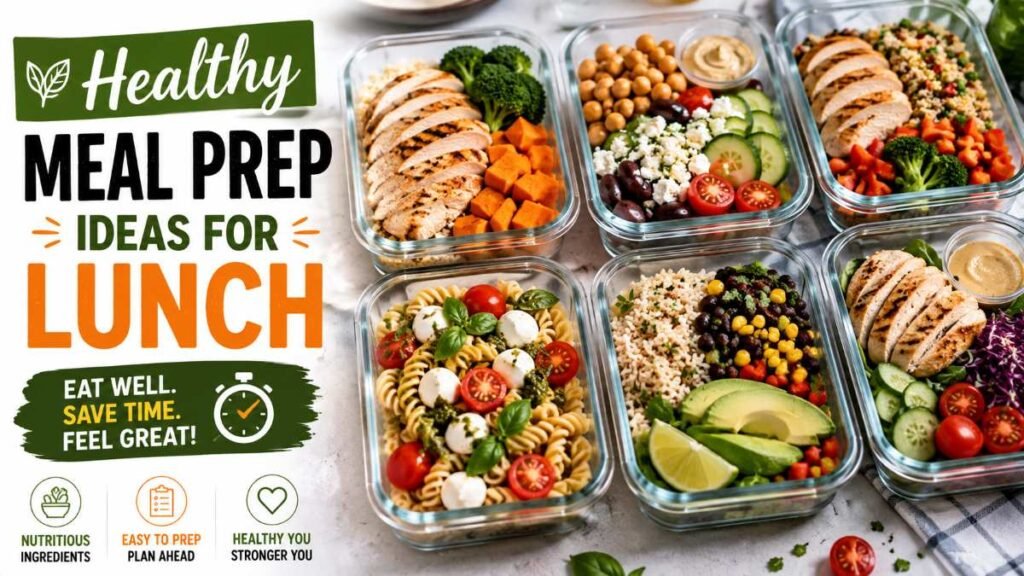
By 1:00 PM, most people face a brutal choice: spend $15 on a bland takeout salad or eat a heavy meal that triggers a 3:00 PM energy crash.
I used to be trapped in that exact cycle until I cracked a simple 60-minute Sunday prep system. Mastering healthy meal prep ideas for lunch isn’t about eating dry chicken and rubbery broccoli for five days straight. It’s about a game-changing stacking strategy that keeps food crisp, slashes your takeout bill, and delivers unstoppable afternoon focus.
Who This Meal-Prep Approach Is For
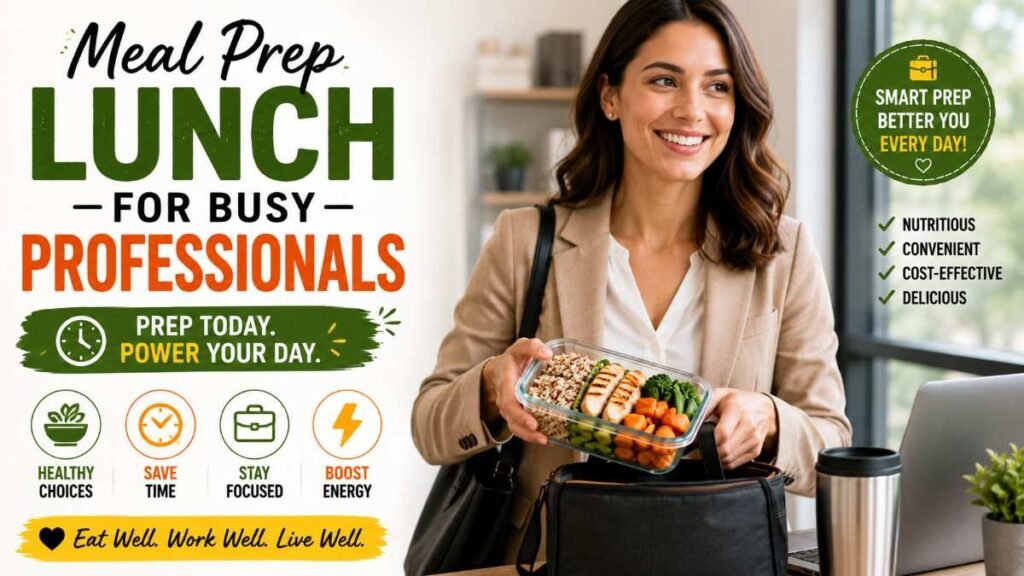
This flexible prep system is designed for anyone seeking a practical routine without spending hours in the kitchen every night:
- Busy Professionals: Anyone working long office or remote hours who needs simple healthy meal prep ideas for lunch to maintain focus.
- Fitness Enthusiasts: Active individuals looking to hit daily macro goals for protein, carbohydrates, and healthy fats.
- Budget-Conscious Eaters: Readers looking to reduce mid-week food delivery spending while cutting down on household food waste.
- Beginner Home Cooks: Anyone who wants a simple framework for batch cooking instead of complicated recipes.
The Anatomy of a Balanced Midday Meal
To support steady energy and digestion, your body benefits from a balanced distribution of macronutrients. A simple lunch blueprint keeps midday nutrition straightforward while helping avoid post-meal fatigue.
Plate Share | Core Element | Recommended Options | Key Nutritional Benefit |
40% | Nutrient-Dense Vegetables | Cauliflower, zucchini, snap peas, spinach, red cabbage | Supplies essential vitamins, digestive volume, and dietary fiber |
25% | Satiety-Focused Protein | Lean chicken breast, turkey mince, organic tofu, tempeh, boiled eggs | Helps retain lean muscle mass and promotes lasting fullness |
25% | Complex Carbohydrates | Wild rice, oats, baked sweet potato, sprouted lentils, barley | Provides sustained fuel for mental clarity and physical endurance |
10% | Essential Healthy Fats | Cold-pressed olive oil, raw walnuts, chia seeds, flaxseed butter | Slows digestion rate and optimizes fat-soluble nutrient uptake |
High-Yield Protein
A practical lunch can provide roughly 25 to 35 grams of protein, depending on your overall calorie needs, activity level, and daily protein target. Excellent options include baked chicken breast, turkey, firm tofu, edamame, or lentils. If morning intake is low, prioritizing midday protein helps meet your daily target; pairing these concepts with a solid high-protein breakfast sets a reliable nutritional baseline.
Slow-Digesting Carbohydrates
Meals built purely around refined carbs can trigger rapid blood sugar fluctuations for many individuals. Whole grains and fiber-rich carbohydrates generally provide more sustained energy than meals built mainly around refined carbohydrates. Choosing options from a comprehensive healthy carbohydrate foods list helps prevent heavy energy crashes.
Fibrous Vegetables & Leafy Greens
Vegetables add vital fiber and essential vitamins. Sturdy choices hold up exceptionally well across several days of storage: roasted broccoli, carrots, cabbage, cucumbers, and massaged kale.
Satiety-Boosting Healthy Fats
Healthy fats slow down digestion, helping keep hunger at bay until dinner. Store liquid dressings separately to prevent wilting. Incorporating balanced sources of healthy fat foods also aids in absorbing fat-soluble vitamins (A, D, E, and K).
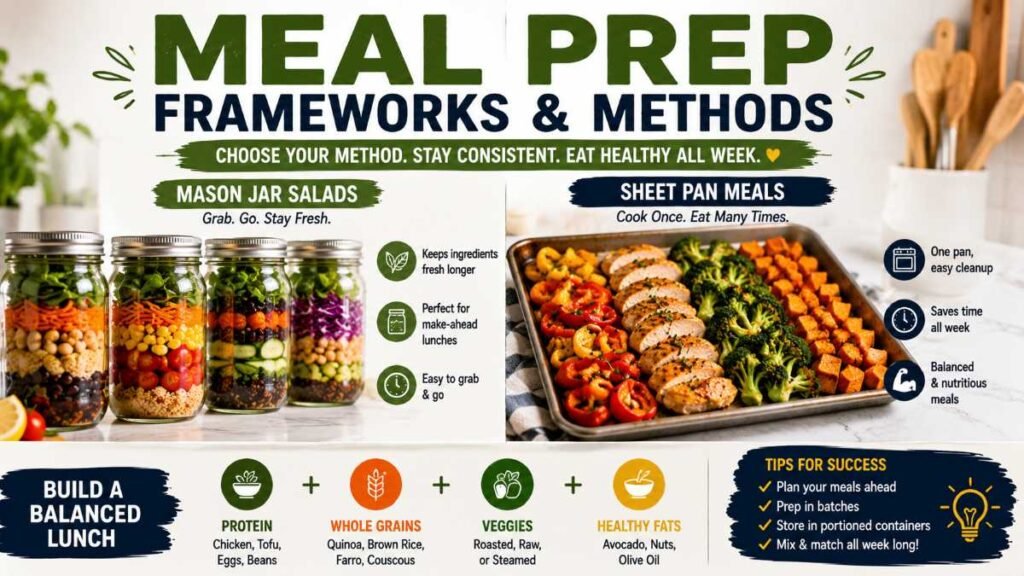
4 Meal Prep Frameworks That Prevent Burnout
Eating the exact same lunch five days in a row leads to food boredom. Long-term consistency relies on adaptable frameworks for your healthy meal prep ideas for lunch rather than rigid individual recipes.
Framework Strategy | Core Concept | Best Suited For | Key Advantage |
Component Prep | Batch-cook grains, proteins, and veggies separately | Custom daily combinations | Prevents taste fatigue |
Layered Mason Jars | Dressing on bottom, dense items middle, greens on top | Chilled grain & vegetable salads | Keeps greens completely crisp |
Sheet-Pan Method | Roast proteins and sturdy veggies together at 400°F | Quick single-pan cleanup | Enhances natural flavors |
Batch & Freeze | Cook thick stews, chilis, or soups in volume | Long-term backup meals | Extends storage life when properly frozen |
Component Prep (Mix-and-Match)
Cook bases, proteins, and vegetables individually:
- Grains: One pot of quinoa or farro.
- Veggies: Two trays of mixed roasted vegetables.
- Proteins: One pan of chicken breast and one tray of spiced chickpeas.
- Sauces: Lemon-herb vinaigrette and garlic tahini.
Layered Mason Jar Salads
Prevent soggy leaves by following a strict moisture-density stacking order:
- Bottom Layer: 2–3 tablespoons of dressing.
- Hard Veggies: Diced cucumbers, radishes, or chickpeas (these marinate safely).
- Grains & Legumes: Quinoa or black beans.
- Proteins: Diced turkey or firm tofu.
- Top Layer: Arugula or massaged kale topped with seeds.
Sheet-Pan Roasting
Roast proteins alongside sturdy root vegetables on parchment-lined pans at 400°F (204°C). The dry oven heat caramelizes natural plant sugars, creating rich flavor with minimal active effort.
Freezable Soups & Stews
Turkey chili and lentil soups freeze exceptionally well. Freeze single servings in silicone trays, then pop frozen blocks into storage bags. Transfer a block to your container in the morning; it thaws gradually and reheats evenly by lunch.
5 Practical Healthy Meal Prep Ideas for Lunch
These dynamic bowls hold up beautifully in storage, keeping your food fresh and crisp for days:
Zesty Mediterranean Quinoa Bowl
Herb-grilled chicken (or crispy chickpeas) served over fluffy quinoa with cucumbers, tomatoes, and red onion. Pack dressing separately so grains stay fluffy—a smart addition if you already follow a solid high-protein breakfast routine.
Wild Salmon & Edamame Recovery Bowl
Oven-baked wild salmon and edamame paired with brown rice, purple cabbage, and carrot ribbons. According to the National Institutes of Health (NIH), omega-3s in salmon help manage systemic inflammation and support cardiovascular health. If you are focusing on cellular recovery, explore our complete guide on the anti-inflammatory diet.
Cumin Turkey & Black Bean Wrap
Lean ground turkey seasoned with cumin, black beans, and bell peppers wrapped in whole wheat. Pro-Tip: Place large romaine leaves between the warm filling and tortilla to block moisture and stop sogginess completely.
Roasted Sweet Potato & Kale Mason Jar
Layer garlic-tahini dressing at the bottom, then stack roasted sweet potato cubes, spiced chickpeas, massaged kale, and pumpkin seeds on top. This meal provides essential minerals—discover more whole-food options in our magnesium-rich foods guide.
Cold Pesto Turkey & Chickpea Pasta
Chilled chickpea pasta tossed with lean ground turkey, cherry tomatoes, and baby spinach. Rinse pasta in cold water after boiling to stop cooking. Tastes fantastic cold—making it one of the most convenient healthy meal prep ideas for lunch when you lack microwave access.
Cold Storage & Safe Reheating Principles
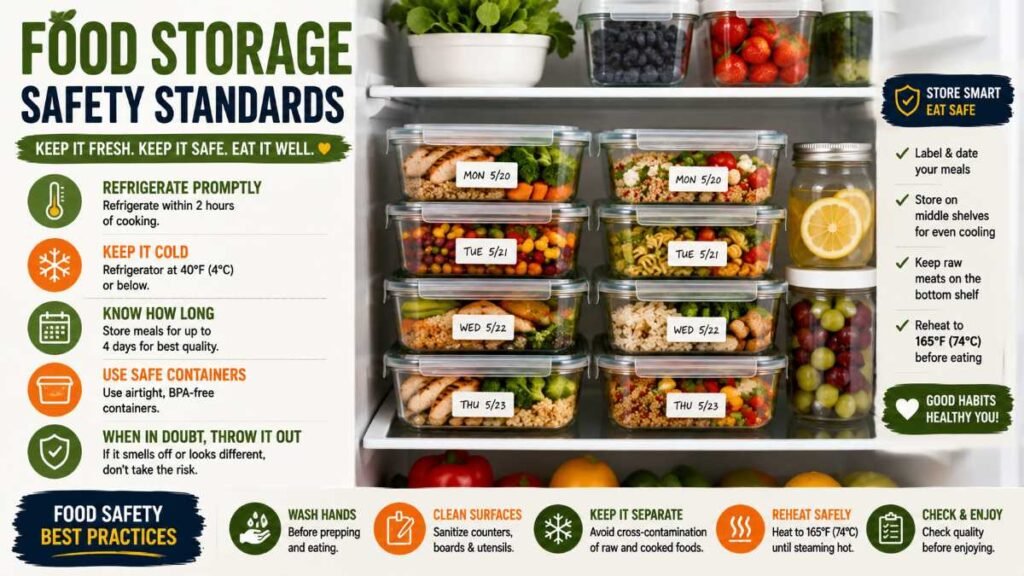
Nobody wants food poisoning or a soggy lunch halfway through the workweek. Keeping prepped containers safe comes down to a few dead-simple storage habits:
- Cooked Poultry, Meat & Seafood: Eat these within 3 to 4 days tops. When it’s time to eat, microwave your container until internal steam actively rises and everything is piping hot throughout.
- Grains, Rice & Plant Proteins: Eat batch-cooked quinoa, rice, or beans within 96 hours. Quick Trick: Toss a wet paper towel over your bowl before microwaving to trap moisture so the grains re-steam to perfection.
- Hard-Boiled Eggs: Keep the protective shell intact until lunch time. They easily stay fresh in your fridge for a full week—just peel, sprinkle salt, and eat chilled.
- Prepped Raw Produce: Slice your cucumbers, peppers, and greens for 3 to 5 days max. Keep them in airtight glass jars and eat straight out of the fridge.
Streamlined 60-Minute Sunday Routine
Executing smart healthy meal prep ideas for lunch for the entire workweek does not require hours in the kitchen:
- Minutes 0–10: Preheat oven to 400°F (204°C). Line two sheet pans with parchment. Chop sweet potatoes, broccoli, and onions.
- Minutes 10–15: Rinse quinoa or brown rice and begin cooking on the stovetop.
- Minutes 15–45: Place veggies on Sheet A and seasoned chicken breast or salmon on Sheet B. Roast salmon for 12–15 minutes; roast chicken and veggies for 20–25 minutes.
- Minutes 45–50: Whisk together dressings in small separate jars.
- Minutes 50–60: Let warm items cool in shallow pans, portion into containers, seal, and refrigerate.
The Secret to Long-Lasting Freshness
Even the best healthy meal prep ideas for lunch will fail if you pack them in cheap, flimsy plastic. Upgrading your storage containers is a small investment that makes a massive difference in how your food tastes by Wednesday afternoon.
Glass containers with airtight, snap-locking lids are the gold standard for a reason. Unlike plastic, glass doesn’t absorb stubborn garlic odors, leach toxic microplastics when microwaved, or warp in the dishwasher. If you frequently pack leafy greens or layered grain bowls, dual-compartment glass containers keep moisture-heavy ingredients separate until you are ready to eat.
For salads, wide-mouth 32-ounce Mason jars are unmatched for vertical stacking, while small stainless-steel condiment cups keep vinaigrettes and sauces leak-proof. Storing your food correctly isn’t just about food safety—it is a cornerstone of building reliable, long-term healthy eating habits that keep your energy steady all week long.
Action Plan & FAQ
How do I prevent prepped salads from turning soggy by mid-week?
Use vertical layering in glass Mason jars: place dressings at the bottom, follow with hard veggies like carrots and radishes, add grains and protein, and place leafy greens at the top. Alternatively, pack dressings in small separate cups.
What is the safest way to reheat prepped rice?
Reheat rice thoroughly until steaming hot throughout (reaching 165°F / 74°C). Sprinkle a teaspoon of water over the grains and cover with a damp paper towel before microwaving to restore moisture.
Next Steps:
- Pick Two Recipes: Choose two distinct meal prep options to enjoy variety without cluttering your shopping list.
- Use Reliable Containers: Acquire 4 to 5 leak-proof glass or high-quality microwave-safe containers.
- Set a 60-Minute Block: Reserve one hour on Sunday to complete batch roasting, grain cooking, and container assembly for your healthy meal prep ideas for lunch.
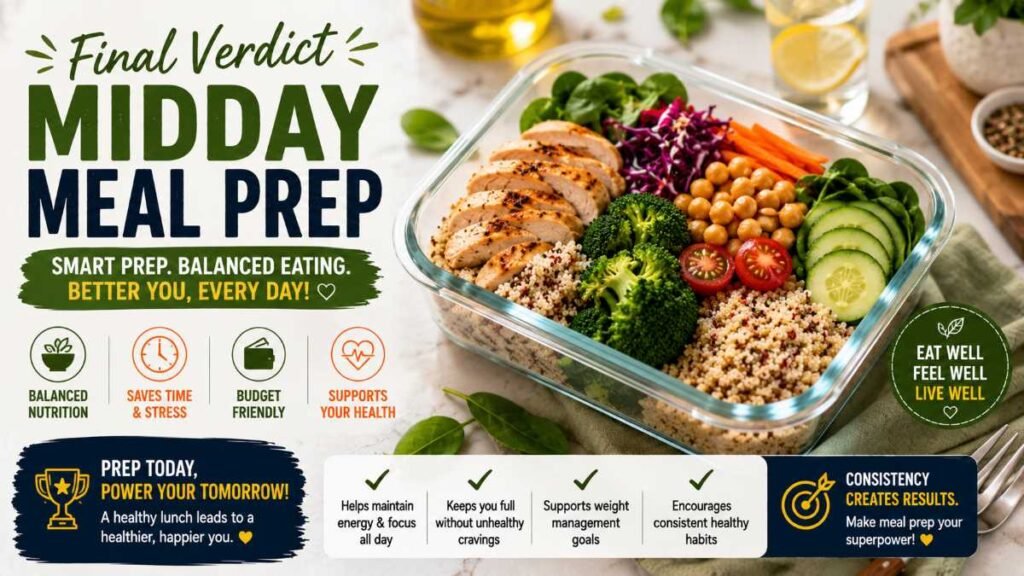
The Final Verdict on Midday Meal Prep
Consistency with healthy meal prep ideas for lunch boils down to setting up a system you actually enjoy eating on Wednesday, not just on Sunday. When you focus on dynamic meal frameworks—layering moisture-heavy ingredients properly, pairing high-yield proteins with complex carbs, and storing dressings separately—you eliminate both midday food boredom and the afternoon energy slump. Start small this week by picking just two recipes from the blueprint, block out your 60-minute prep window, and build a routine that supports your physical energy and wallet all week long.
Editorial Note: This guide is based on established nutrition and food-safety guidance from reputable public-health sources, including the U.S. Department of Agriculture (USDA) and the Centers for Disease Control and Prevention (CDC). It is intended for general informational purposes and is not a substitute for individualized medical or dietary advice.
Dambar CP.R. is the founder of FitLifePeak and a health and wellness content creator. He researches official guidelines (like USDA, FDA, and NHS) to write evidence-based articles on nutrition, fitness, and healthy living, making trusted health information simple, practical, and easy to understand.