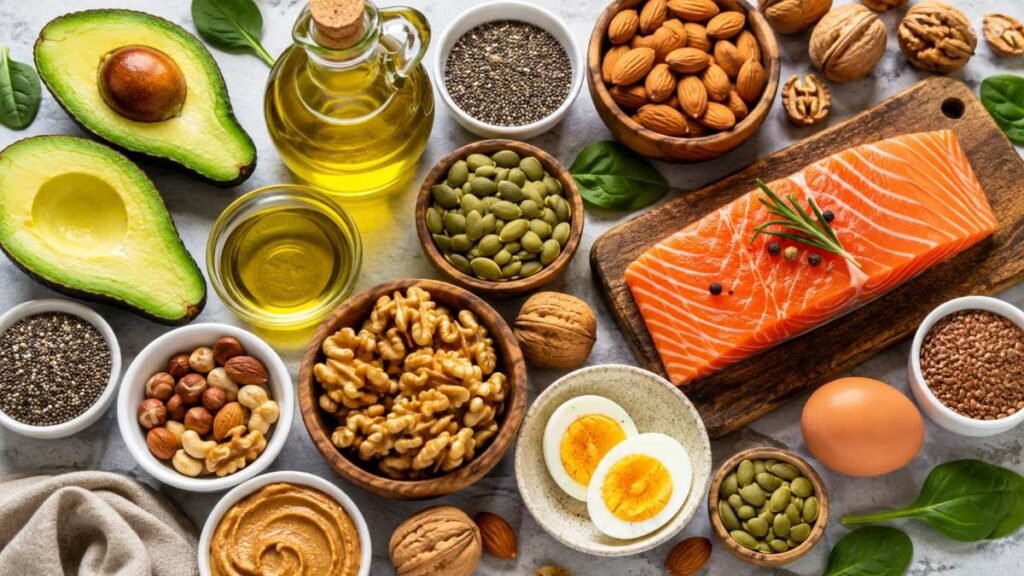
For decades, we blamed all fats for weight gain—a silent myth that secretly wrecked our metabolism. But modern science reveals a shocking truth: healthy fat foods are actually the missing key to unlocking endless daily energy and balanced hormones. Are you still running away from them?
Stop letting outdated nutrition lies hold you back. Read on to discover the ultimate list of power-packed foods you need starting today!
Avocado: The Versatile Nutrient Powerhouse
Avocados are far more than simple culinary toast toppers; they serve as a powerful gateway to embracing nutrient-dense lipids in everyday nutrition. Unlike most fruits, which are primarily carbohydrates, avocados are exceptionally loaded with monounsaturated oleic acid. Research published by the Harvard T.H. Chan School of Public Health suggests that replacing saturated fats with this specific monounsaturated fatty acid supports healthy cardiovascular markers over time.
- Why it works: Beyond the macronutrient profile, a single avocado contains substantial potassium and dietary fiber. This combination can help you feel fuller after a meal and may support steadier blood sugar responses. For a broader look at essential minerals, you can also explore other foods high in potassium.
Pro-Tip: Keep a halved avocado fresh by sprinkling the exposed flesh with lemon juice and storing it in an airtight container to minimize enzymatic browning during meal prep routines. Furthermore, incorporating sliced avocados into dense green bowls adds a creamy texture that satisfies cravings without relying on processed condiments or artificial flavor enhancers.
Extra Virgin Olive Oil: The Cornerstone of Heart Health
You can’t discuss healthy fat foods without mentioning the cornerstone Mediterranean diet staple, extra virgin olive oil (EVOO). Authentic EVOO functions as a rich culinary source of potent polyphenolic antioxidants, working in tandem with its primary monounsaturated fat content.
- The Health Impact: Clinical nutrition studies suggest that bioactive compounds found in high-quality cold-pressed EVOO offer protective benefits for the vascular endothelium, assisting in the maintenance of healthy blood pressure ranges within normal clinical limits.
- Pro-Tip: Always look for genuine “extra virgin” designations on the packaging label, as highly refined culinary oils are frequently stripped of their beneficial micronutrients during processing. Its robust, peppery flavor profile is perfect for drizzling over our anti-inflammatory diet salad creations. Additionally, utilizing low-to-medium heat when cooking preserves these delicate antioxidant structures effectively.

Fatty Fish: The Premium Omega-3 Source
If you want a direct dietary source of crucial long-chain omega-3 fatty acids EPA and DHA, cold-water fatty fish remain your absolute best option among healthy fat foods. Your human physiology cannot efficiently synthesize these essential polyunsaturated fats independently, making consistent dietary inclusion paramount.
Key Players: Wild-caught salmon, sardines, Pacific mackerel, anchovies, and fresh herring top the nutritional rankings. These healthy dietary fats are widely recognized in clinical nutritional science for supporting cognitive brain function, healthy cardiac rhythms, and visual health across all age brackets.
The Challenge: Meeting weekly intake recommendations can occasionally pose a hurdle for individuals who dislike strong, ocean-forward flavor profiles. Canned sardines, for instance, can be thoroughly mashed into avocado spreads to mask their natural flavor while delivering a massive nutritional punch. Aim for a minimum of two structured servings per week to meet standard expert recommendations.
Walnuts: The Brain-Boosting Nut
When you crack open a raw walnut, you unlock plant-based nutrition at its absolute finest. Walnuts are distinctly unique among tree nuts because they are exceptionally high in alpha-linolenic acid (ALA), a plant-based omega-3 fatty acid.
- Expert Insight: Clinical research indicates that regular walnut consumption supports overall cognitive performance and helps combat cellular oxidative stress through concentrated polyphenol activity.
- Serving Idea: Toss a handful of raw walnuts into crisp green salads or blend them directly into morning berry smoothies for an earthy, satisfying crunch that enhances meal satisfaction. Moreover, keeping a small portion of raw walnuts at your workstation provides a convenient, shelf-stable snack option that eliminates the temptation to reach for ultra-processed vending machine items during demanding afternoon work sessions.
Chia Seeds: Tiny Nutritional Powerhouses
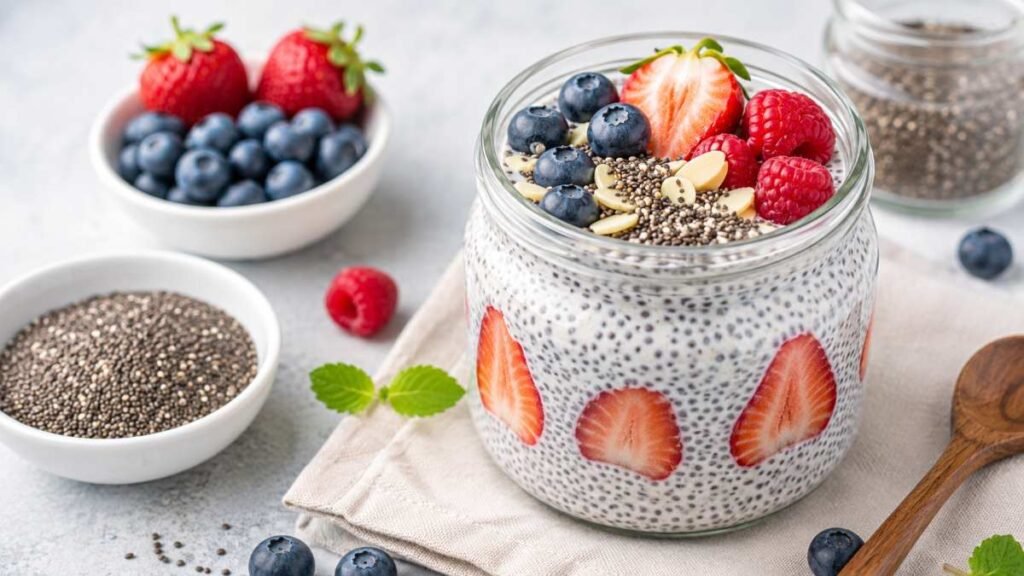
Don’t let their diminutive physical size fool you. Tiny chia seeds provide an exceptional concentration of ALA omega-3s, plant-based protein, and viscous soluble fiber. Their unique molecular ability to absorb liquid and form a hydrating gel structure actively supports smooth digestive transit and prolonged fullness.
- How to Use Them: Mix three tablespoons of whole seeds with a cup of unsweetened almond or coconut milk, sweeten slightly with cinnamon, and let it rest overnight to create a creamy breakfast base that fits seamlessly into your gut healthy foods rotation.
- Pro-Tip: Soaking chia seeds helps them absorb liquid and creates a softer, easier-to-eat texture. Incorporating these seeds into morning yogurts or homemade baked goods provides an effortless way to elevate daily dietary fiber and mineral intake without altering your favorite recipes.
Flaxseeds: The Lignan & Omega-3 Star
Similar to chia seeds, flaxseeds serve as an exceptional plant-based source of alpha-linolenic acid (ALA) omega-3 fatty acids. Furthermore, they are uniquely rich in lignans—plant compounds studied for their antioxidant properties.
- The Catch: The human digestive tract cannot easily break down the hard, fibrous outer hull of whole flaxseeds. To properly access the internal lipids and micronutrients, you must purchase pre-ground (milled) flaxseed or grind them fresh at home using a dedicated spice mill.
- Simple Addition: Stir a tablespoon of ground flaxseed into morning oatmeal or Greek yogurt to effortlessly boost your daily intake of healthy fat foods. Keeping your milled flaxseed inside an airtight container in the freezer prevents oxidation and preserves the delicate nutritional integrity of the plant oils over extended periods.
Whole Eggs: The Complete Protein and Fat Package
Once heavily scrutinized for dietary cholesterol content, whole eggs are widely recognized as a nutrient-dense food containing high-quality protein and essential lipids concentrated inside the yolk.
- The Nutritional Breakdown: The nutrient-dense yolk houses vital fat-soluble vitamins including D, A, E, and K, alongside vitamin B12 and choline—an essential nutrient critical for cellular membrane integrity and metabolic pathways. Dietary fats residing naturally within the yolk additionally assist the human body in absorbing these fat-soluble micronutrients efficiently.
- Daily Integration: Enjoying whole eggs scrambled alongside fresh spinach provides balanced, sustained macronutrient support to start your morning routine correctly. Abandoning the yolk means discarding the most nutrient-dense fraction of the food, making whole-egg consumption a superior choice for balanced nutrition.
Almonds: The Heart-Supportive All-Rounder
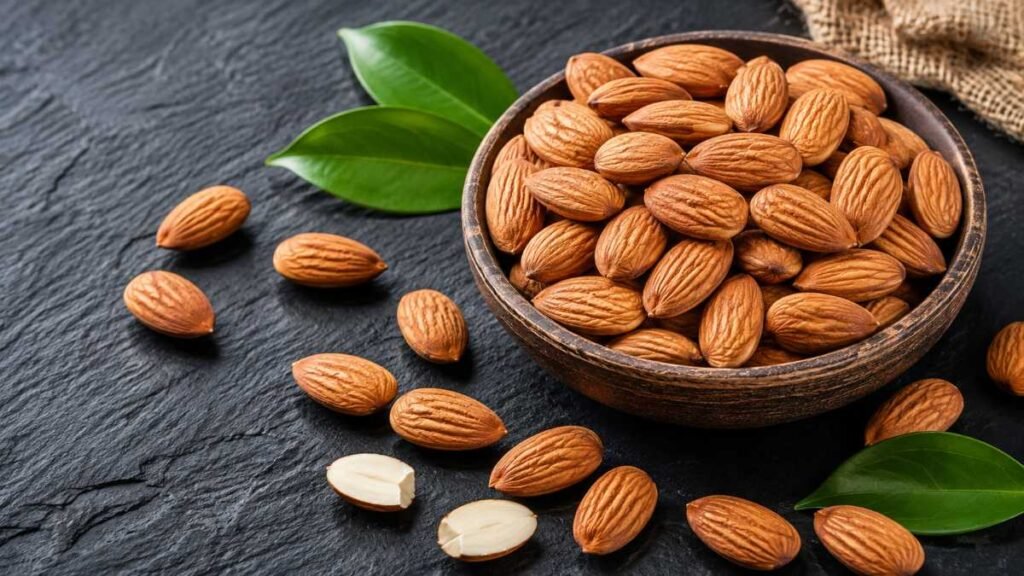
Almonds are a remarkably versatile, nutrient-dense tree nut packed with monounsaturated fats, dietary fiber, and vitamin E, a potent fat-soluble antioxidant that protects cellular membranes from oxidative damage.
- Evidence-Based Benefits: Research published by the Mayo Clinic indicates that regularly incorporating almonds into a calorie-controlled, balanced diet supports healthy blood lipid profiles and overall cardiovascular resilience.
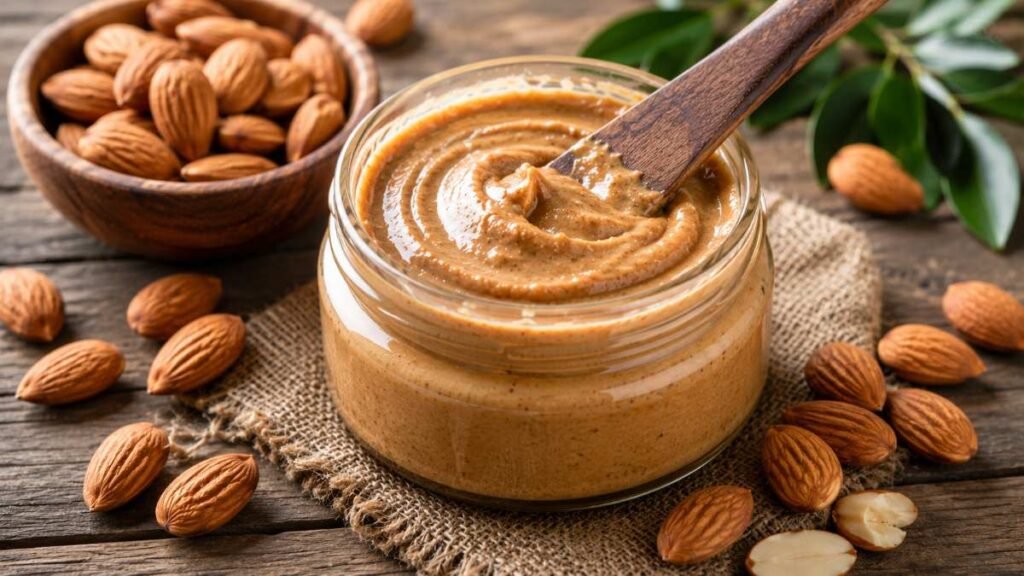
- Quick Tip: When shopping for commercial almond butter, inspect ingredient labels carefully to avoid added sugars and hydrogenated industrial oils; optimal formulations list only dry-roasted almonds and a pinch of sea salt. Keeping a small jar at your desk provides a dependable option for midday nutrition.
Chia & Flaxseed Oil: Concentrated Plant Omega-3s
When whole-food marine or plant omega-3 sources occasionally fall short of daily targets, adding cold-pressed culinary oil blends to your list of healthy fat foods—such as a mix of chia and flaxseed oils—offers a convenient liquid source of concentrated plant-based ALA.
Why Consider an Oil Blend: It amplifies the omega-3 density of everyday meals without dramatically increasing overall food volume or altering portion constraints.
Simple Strategy: Drizzle exactly one tablespoon over an evening vegetable salad to elevate its essential fatty acid profile. Always keep this delicate oil container tightly sealed in the refrigerator and strictly avoid high-heat frying or sautéing, as polyunsaturated plant oils are sensitive to thermal degradation.
Natural Nut Butters: The Ultimate Pantry Staple
Conventional supermarket spreads often hide refined sugars, high-fructose syrups, and hydrogenated vegetable fats, but natural nut butters crafted exclusively from single-ingredient nuts provide clean, sustained nutrition without unwanted additives.
- Why They’re a Go-To: They deliver the monounsaturated fats, plant protein, and dietary fiber of whole nuts in a convenient, spreadable format that satisfies appetite centers effectively.
- Practical Advice: Pair natural nut butter with fresh apple slices or blend a spoonful into post-workout shakes for a balanced snack that supports steady blood glucose control. Preparing homemade nut butter using a high-powered food processor also allows complete customization over texture and salt content.
Comparing Your Healthy Fat Options
Review this comprehensive reference table to easily evaluate the primary fat types, secondary micronutrients, and best culinary applications for each individual food source:
Food Source | Primary Fat Type | Key Secondary Nutrients | Best Culinary Use |
Avocado | Monounsaturated Fat (Oleic Acid) | Fiber, Potassium | Salads, Toast, Dips |
Extra Virgin Olive Oil | Monounsaturated Fat (Oleic Acid) | Polyphenols | Drizzling, Sautéing, Vinaigrettes |
Fatty Fish (Salmon) | Polyunsaturated Fat (Omega-3 EPA/DHA) | High-Quality Protein, Vitamin D | Baking, Grilling, Poaching |
Walnuts | Polyunsaturated Fat (ALA Omega-3) | Polyphenols | Salads, Smoothies, Baking |
Chia Seeds | Polyunsaturated Fat (ALA Omega-3) | Fiber, Protein | Pudding, Smoothies, Yogurt |
Ground Flaxseeds | Polyunsaturated Fat (ALA Omega-3) | Fiber, Lignans | Oatmeal, Yogurt, Baking |
Whole Eggs | Mixed (Mono & Polyunsaturated) | Protein, Choline, Vitamin D | Scrambled, Boiled, Poached |
Almonds | Monounsaturated Fat | Vitamin E, Fiber | Snacks, Almond Milk, Nut Butter |
Chia & Flaxseed Oil | Polyunsaturated Fat (ALA Omega-3) | Concentrated Omega-3 | Salad Dressings, Finishing Oil |
Pure Nut Spreads (Updated) | Healthy Lipids & Fatty Acids |
Actionable Tips for Daily Integration
Transforming nutritional knowledge into lifelong habits requires gradual, sustainable adjustments rather than restrictive, short-lived dietary overhauls.
- The Breakfast Upgrade: Swap refined breakfast pastries and sugary cereals for a balanced high protein breakfast featuring whole eggs and nutrient-dense healthy fats that support sustained morning focus.
- Elevate Your Salads: Replace bottled, preservative-heavy dressings with a simple, elegant vinaigrette crafted from extra virgin olive oil, apple cider vinegar, and dried culinary herbs.
- Smart Snacking: Trade processed potato chips for a measured handful of raw almonds or fresh fruit paired with natural, unsweetened almond butter.
- Dinner Time Finish: Drizzle high-quality plant oils or finishing oils over steamed green vegetables right before plating to maximize culinary flavor and optimize fat-soluble nutrient absorption.
Revised Expert Conclusion
“Ultimately, moving beyond the outdated low-fat myth is arguably the single most impactful investment you can make in your long-term metabolic health. True wellness isn’t about fearing and eliminating all fats; it’s about making intelligent, informed choices that honor your body’s fundamental needs. By intentionally swapping processed oils for nutrient-dense, whole-food healthy fat foods—such as golden extra virgin olive oil, wild-caught fatty fish, and raw nuts—you provide the essential building blocks to nourish every cell, stabilize your energy, and unlock the vibrant, thriving vitality you deserve every single day.”
Frequently Asked Questions
Q1. What are 10 healthy fats I can eat?
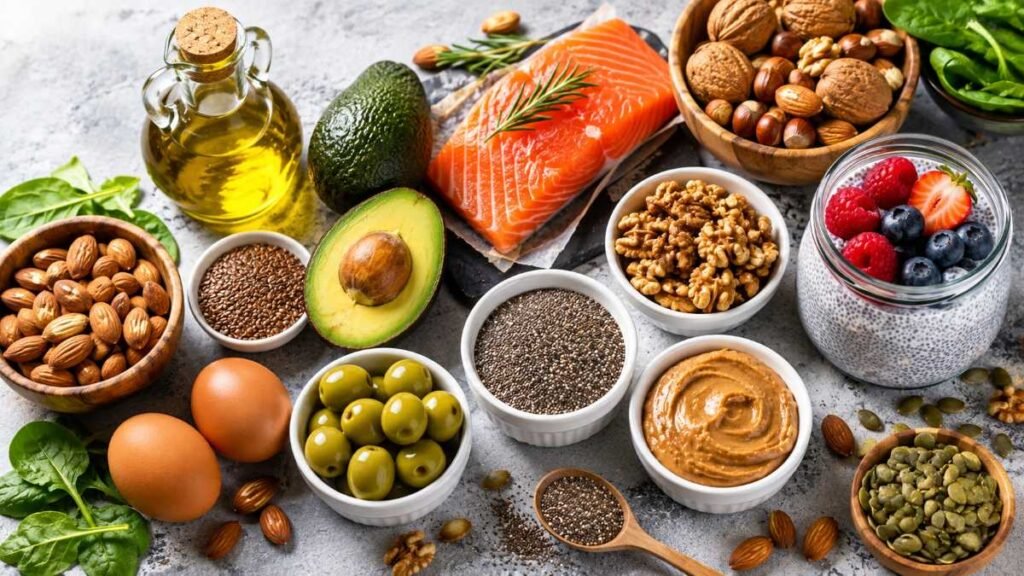
The top healthy fat foods include avocados, extra virgin olive oil, wild salmon, walnuts, chia seeds, flaxseeds, eggs, almonds, chia/flax oil, and pure nut spreads.
Q2. What are 10 foods high in fat?
The best high-fat choices are nutrient-dense healthy fat foods like fatty fish, nuts, and seeds that nourish your body without harmful processed oils.
Q3. What are healthy fats and why are they healthy?
They are natural monounsaturated and polyunsaturated fats. Eating these healthy dietary fats helps sustain daily energy, balance essential hormones, and protect cardiovascular health.
Q4. What foods are high in fat and healthy?
Whole healthy fat foods—such as avocados, raw nuts, and eggs—provide essential omega fatty acids that your body needs but cannot produce on its own.
Sources
About the AuthorDambar CP.R. is the founder of FitLifePeak and a health and wellness content creator. He creates evidence-based articles on nutrition, fitness, and healthy living, making trusted health information simple, practical, and easy to understand.
Medical Disclaimer: The information provided in this article is for educational and informational purposes only and should not be considered medical or nutritional advice. Always consult a qualified healthcare professional or registered dietitian before making any significant changes to your diet or lifestyle.