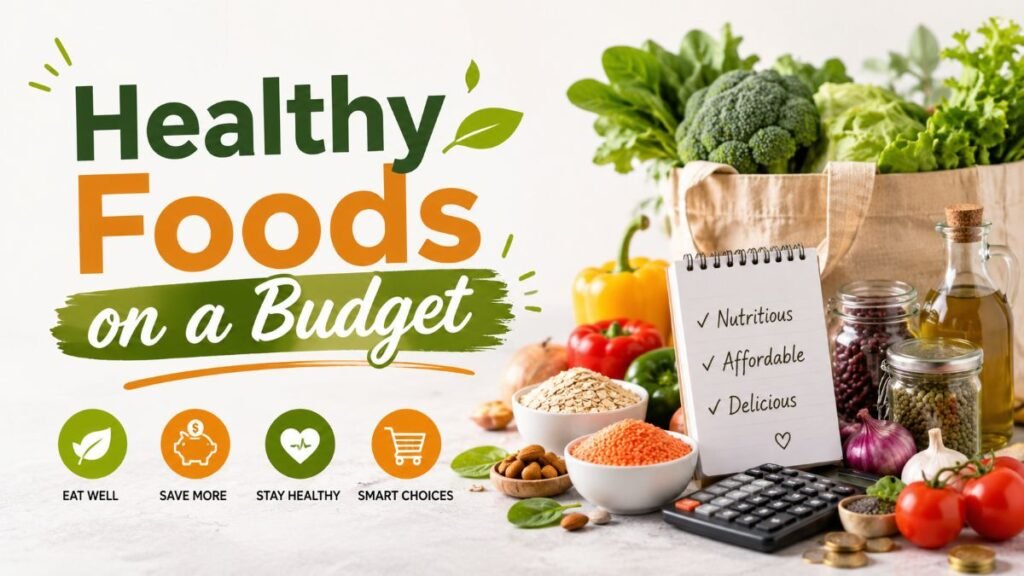
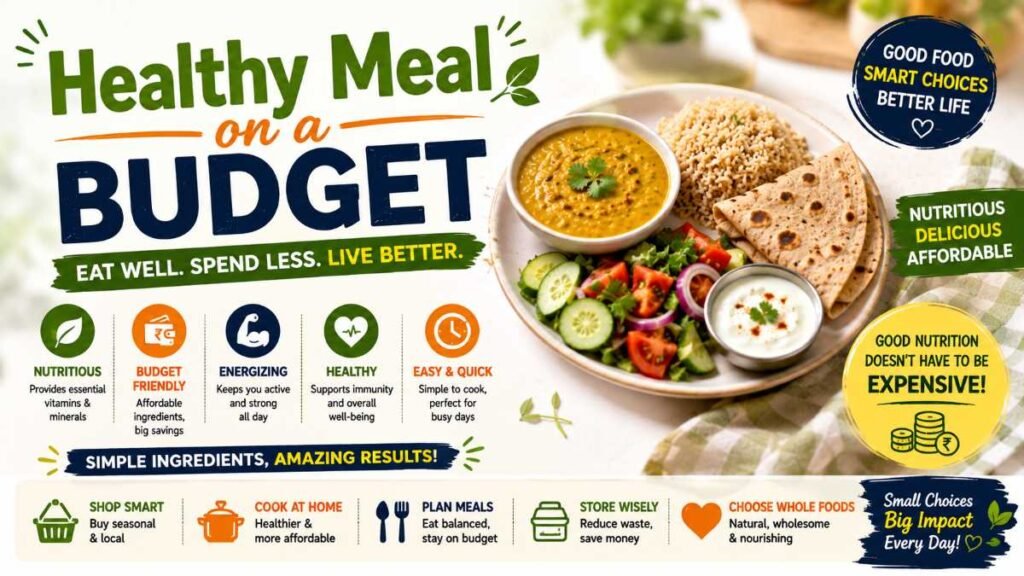
What if eating better had less to do with buying expensive “healthy” products and more to do with choosing the right everyday foods? Oats, eggs, beans, rice, potatoes, frozen vegetables, fruit, and plain yogurt can build satisfying meals without a premium grocery bill. Healthy foods on a budget come down to smart combinations, realistic planning, and using what you buy before it becomes waste. Once your grocery cart starts working harder, your food budget can go much further.
Build Your Cart Around Versatile Foods
The easiest way to overspend is to shop first and plan later. Snacks, convenience meals, and eye-catching “high-protein” products can quickly fill a cart without giving you enough food for the week.
Instead, look for ingredients that can move between meals. Oats can cover several breakfasts, rice can become bowls or fried rice, beans work in chili and tacos, and potatoes can appear at breakfast or dinner.
Staple | Easy Ways to Use It |
Oats | Breakfast, overnight oats |
Rice | Bowls, burritos, side dishes |
Beans | Chili, tacos, soups |
Eggs | Breakfast, sandwiches, bowls |
Potatoes | Hash, sides, dinner |
Frozen vegetables | Stir-fries, soups, bowls |
Plain yogurt | Breakfast, snacks, sauces |
Practical strategies for meal planning, grocery lists, unit prices, and stretching food dollars are outlined in USDA MyPlate’s Eat Healthy on a Budget guide.
Before you buy it, think about how many meals you can get from it.
If an ingredient can appear in several meals, it usually offers more practical value than a product designed for one occasion. For healthy foods on a budget, versatility matters just as much as the price on the shelf.
Choose Affordable Protein Sources
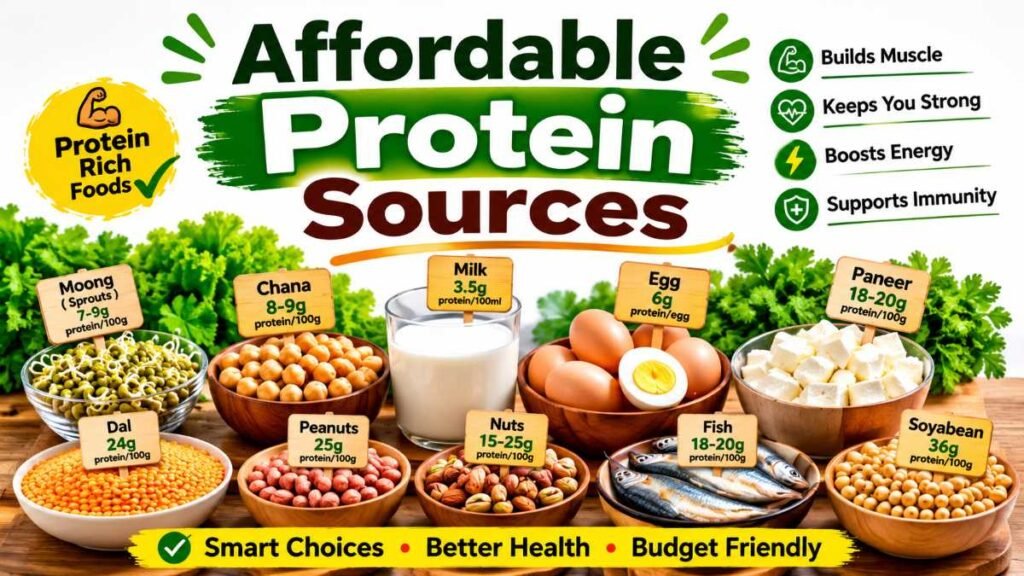
Protein can push a grocery bill higher when every meal depends on premium meat, seafood, protein bars, or ready-to-drink shakes. Fortunately, there are plenty of everyday options.
Eggs, beans, lentils, plain yogurt, tofu, canned tuna, and chicken can all fit into a sensible meal plan. Rotating them gives you more flexibility when prices change.
For example, eggs and potatoes can make an easy breakfast, beans and rice can handle lunch, and chicken with vegetables can become dinner. Nothing is complicated, but the combination can be filling and easy to repeat.
When chicken costs more than usual, use more beans or lentils. If eggs are on sale, build another meal around them. A flexible grocery plan is less vulnerable to price changes.
You can also stretch meals by combining ingredients. Add beans to chili or lentils to soup, and a smaller amount of meat can become part of a larger meal.
Affordable meals can also benefit from naturally filling choices such as these high-fiber foods for everyday meals.
And do not forget leftovers. Yesterday’s chicken can become today’s rice bowl, while extra beans can turn into tacos.
Sometimes the most affordable meal is already in your refrigerator.
Fresh, Frozen, or Canned? Buy What You’ll Use
Fresh produce is valuable, but it is not automatically the best bargain.
A bag of spinach that gets thrown away at the end of the week has provided neither nutrition nor savings. Frozen and canned foods can sometimes make more sense because they are easier to store and keep available.
Pick the option you’re most likely to enjoy.
Fresh produce is useful when you expect to consume it soon. Frozen vegetables can be convenient for longer storage, while canned tomatoes, beans, and similar pantry staples can make quick meals easier.
USDA also notes that fresh, frozen, and canned produce can all have a place in a budget-conscious eating pattern, while buying what you can use helps reduce waste.
So if apples are affordable, buy apples. If frozen broccoli fits your budget and gets used, there is no reason to avoid it simply because it is frozen.
When choosing canned foods, compare labels and consider lower-sodium options when appropriate. Draining and rinsing canned beans can also reduce some sodium.
Everyday staples such as rice, potatoes, oats, and other healthy carbohydrate foods can provide an affordable base for balanced meals.
The real goal is not to buy the freshest-looking cart. It is to buy food that actually gets eaten.
Compare Unit Prices Before You Buy
The cheapest option isn’t always the best value.
When comparing similar products, check the unit price on the shelf tag. It shows the cost per ounce, pound, or another standard measurement.
Product | Price | Size | Unit Price |
Brand A oats | $3.49 | 18 oz | $0.19/oz |
Brand B oats | $4.29 | 24 oz | $0.18/oz |
Brand C oats | $5.49 | 20 oz | $0.27/oz |
Brand B costs more at checkout than Brand A, but it costs slightly less per ounce.
USDA specifically recommends comparing unit prices when shopping for similar products.
There is one important catch: bulk only saves money when you use it.
A large bag of rice can be excellent value for a household that eats rice regularly. A huge package of an unfamiliar food may simply become expensive clutter.
The same applies to warehouse shopping. Bigger is useful only when your household can store and finish it.
Marketing deserves a second look, too. Words such as “premium,” “natural,” “superfood,” and “high protein” can sound persuasive, but they do not tell you whether the product is worth the price.
Turn the package around and compare the label instead.
That is a much better habit for healthy foods on a budget.
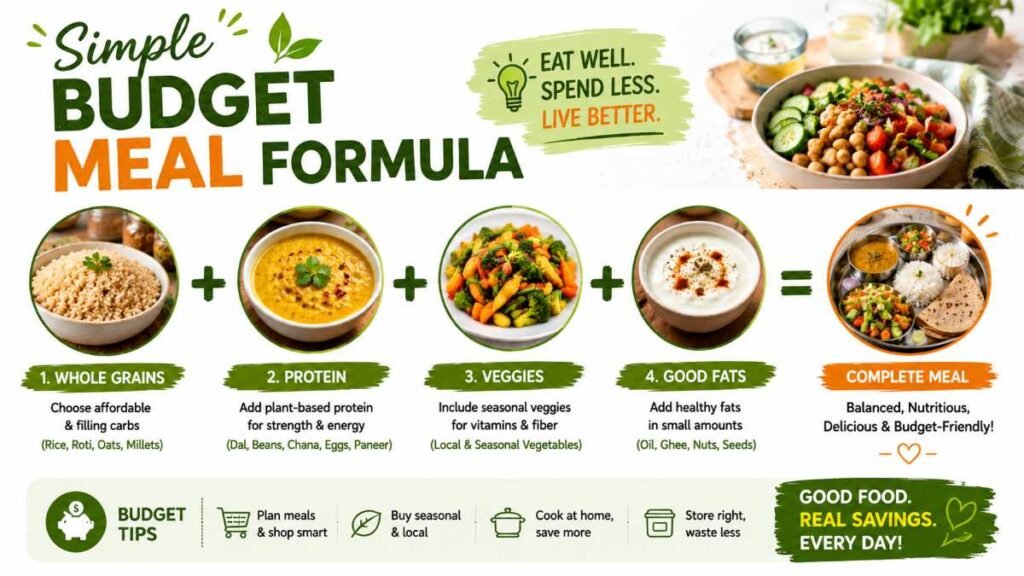
Build Meals Around a Simple Formula
A grocery cart becomes much easier to manage when you think about meals instead of isolated ingredients.
Use this simple formula:
Base + Protein + Produce + Flavor
Your base could be rice, potatoes, oats, pasta, bread, or tortillas. Add beans, lentils, eggs, chicken, tuna, tofu, or yogurt for protein. Then use whatever vegetables or fruit fit the week’s budget.
The final step is flavor.
Garlic, salsa, lemon, vinegar, herbs, spices, mustard, and simple sauces can make inexpensive ingredients taste completely different.
Rice, beans, and frozen vegetables can become a taco-style bowl one night. Add garlic and soy sauce another day. Later, use roasted vegetables and herbs.
The ingredients stay familiar. Dinner does not.
That is one of the best parts of healthy foods on a budget: affordable does not have to mean repetitive.
A Simple Weekly Rhythm
Day | Lunch | Dinner |
Monday | Bean-rice bowl | Chicken, potatoes, vegetables |
Tuesday | Lentil soup | Pasta with vegetables and tuna |
Wednesday | Leftover chicken bowl | Bean tacos |
Thursday | Lentil-rice bowl | Chicken with frozen vegetables |
Friday | Tuna sandwich | Bean chili with rice |
Saturday | Leftover chili | Pasta with beans and vegetables |
Sunday | Leftover bowl | Chicken, potatoes, vegetables |
You do not need to copy this menu. The useful idea is to cook ingredients that can appear in another meal.
Families with packed schedules can build on this approach with simple healthy meal ideas for busy families that reuse practical ingredients.
Read the Nutrition Label Without Overthinking It
Budget shopping should still support good nutrition, but grocery shopping does not need to become a research project.
For packaged foods, start with serving size, protein, dietary fiber, sodium, saturated fat, and added sugars.
The FDA explains that the serving size is used for nutrition information and is not a recommendation for how much you should eat. One package can also contain multiple servings.
The % Daily Value can also help when comparing similar foods. Rather than memorizing every number, use it as a quick way to understand whether a nutrient is relatively low or high in a serving.
Suppose two yogurts cost about the same. The label can help you compare protein, added sugar, or other nutrients that matter to you.
The FDA Nutrition Facts Label guide explains serving sizes, % Daily Value, and other label information that can help when comparing packaged foods.
Think of the label as a shopping tool, not a report card.
You are not trying to create a perfect diet from one package. You are simply making a better comparison.
Cook Once and Give Leftovers Another Purpose
Food waste is one of the easiest ways to lose grocery money without noticing. You buy vegetables with good intentions, but a few days later they are still sitting in the refrigerator. The food may have been inexpensive, but unused food is still wasted money.
A better approach is to cook with tomorrow in mind.
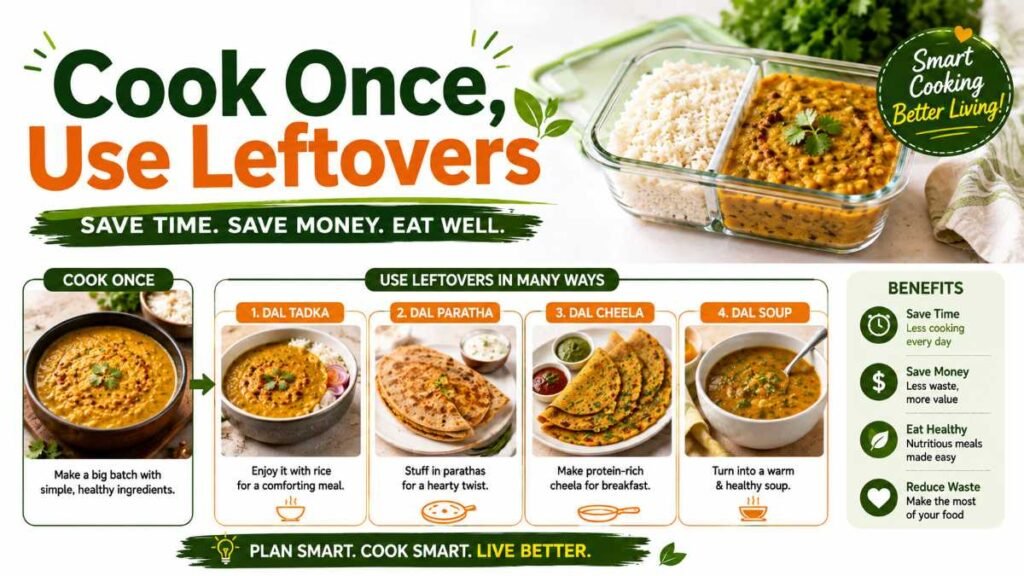
Make extra rice. Roast another tray of vegetables. Cook enough chicken for lunch. Prepare a larger pot of chili and freeze part of it. Sunday’s chicken, potatoes, and vegetables can become Monday’s rice bowl. Leftover chicken can become tacos, while remaining vegetables can go into soup.
You are not eating the same meal every night. You are simply getting more value from the ingredients you already purchased. That is where healthy foods on a budget becomes a practical lifestyle rather than just a shopping idea.
Keep a Few Emergency Meals Ready
Busy evenings happen. Instead of relying on takeout, keep a few quick combinations at home. Eggs with toast and frozen vegetables, rice with beans and salsa, or oatmeal with banana and peanut butter can be ready with very little effort.
These simple meals can make the difference between using what you already have and spending extra money because you feel there is “nothing to eat.” Simple options such as these healthy snack ideas for adults can also make it easier to keep affordable foods available between meals. The goal is not perfect meal prep. It is having enough structure to make busy days easier and less expensive.
Make Your Grocery List Work for You
A good grocery list should have a purpose behind every item. See what you already have at home before buying more. You may already have rice, beans, spices, or vegetables that can become part of the next meal.
Then choose a few meals and shop around them.
Category | Practical Choices |
Protein | Eggs, beans, lentils, chicken, tuna, yogurt |
Grains & starches | Oats, rice, potatoes, pasta, bread |
Vegetables | Carrots, cabbage, onions, frozen broccoli |
Fruit | Bananas, apples, oranges, seasonal fruit |
Dairy | Plain yogurt, milk or fortified alternatives |
Flavor | Garlic, salsa, herbs, spices, mustard |
Pantry | Peanut butter, canned tomatoes, beans |
No need to make it complicated.
Plan a few meals before shopping. Compare unit prices when products are similar. Buy foods your household actually enjoys, and choose fresh, frozen, or canned options according to price, storage, convenience, and how quickly you will use them.
Most importantly, shop beyond tonight’s dinner.
- Buy with tomorrow’s lunch in mind. Prepare a little extra for the next meal.
That small shift can make healthy foods on a budget easier to maintain week after week.
Final Takeaway
Healthy eating does not require an expensive cart. Choose versatile staples, compare real prices, plan around what you already have, and turn leftovers into another meal. Small shopping decisions can create better food, less waste, and a grocery budget that lasts longer.
Frequently Asked Questions
Q1: What is the cheapest healthiest food you can eat? Beans, oats, lentils, and eggs. These healthy foods on a budget deliver high protein and essential nutrients at the lowest cost.
Q2: What is the 5-4-3-2-1 rule for groceries? Buy 5 veggies, 4 fruits, 3 proteins, 2 sauces, and 1 grain. It keeps grocery shopping organized while selecting healthy foods on a budget.
Q3: What is the 3-3-3 rule for groceries? Stock 3 produce items, 3 pantry staples, and 3 proteins weekly. It prevents overspending on healthy foods on a budget.
Q4: What is the 3-3-3 rule for eating? Eat 3 balanced meals and 3 light snacks daily to build a consistent routine with healthy foods on
Reference Sources
- USDA MyPlate — Eat Healthy on a Budget — meal planning, unit prices, bulk buying, sales, and frozen/canned foods.
- FDA — Nutrition Facts Label — serving sizes, % Daily Value, and label information.
- FDA — Added Sugars on the Nutrition Facts Label — guidance for identifying and comparing added sugars.
Medical & Nutrition Disclaimer
This article is for general educational purposes only. It is not medical advice, diagnosis, or treatment. Individual nutrition needs can vary based on age, health conditions, medications, allergies, activity level, and other factors. If you have a medical condition or specific dietary requirements, consult a qualified doctor or registered dietitian before making significant dietary changes.
Dambar CP.R. is the founder of FitLifePeak and a health and wellness content creator. He researches official guidelines (like USDA, FDA, and NHS) to write evidence-based articles on nutrition, fitness, and healthy living, making trusted health information simple, practical, and easy to understand.