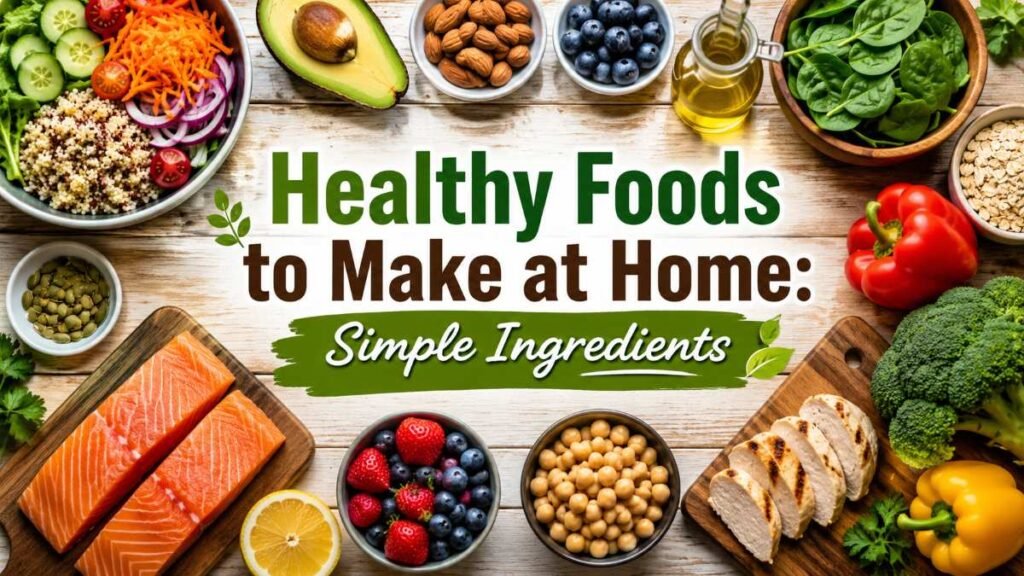
What if eating better could be easier than you think? You do not need expensive groceries, complicated recipes, or hours of meal prep to build satisfying meals. A few everyday ingredients can become quick breakfasts, balanced lunches, and simple dinners that fit real life. Healthy foods to make at home are most useful when they save time without sacrificing variety or flavor. The secret is not perfection—it is creating simple meals you can enjoy, repeat, and realistically maintain.
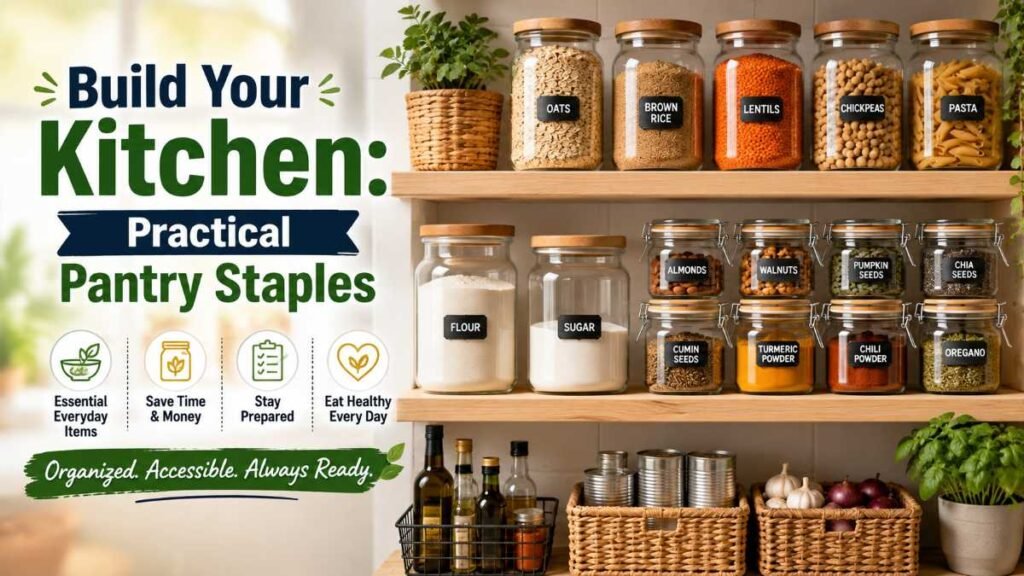
Build Your Kitchen Around Foods You Will Actually Use
Healthy cooking starts with what you keep at home.
Choose ingredients that can work across several meals rather than buying a long list of specialty products.
A practical mix includes:
- Spinach, broccoli, carrots, tomatoes, peppers and onions
- Apples, bananas, oranges and berries
- Eggs, chicken, fish, beans, lentils and plain yogurt
- Oats, brown rice, quinoa, potatoes and whole-grain bread or tortillas
- Avocado, nuts, seeds and plant oils such as olive or canola oil
- Garlic, ginger, lemon, paprika, cumin, black pepper and dried herbs
The advantage is flexibility. Frozen vegetables can save a meal when fresh produce is about to spoil. Canned beans can cut cooking time. Prewashed greens can turn into a quick salad or bowl with almost no prep.
The USDA MyPlate approach also recognizes fresh, frozen and canned produce as practical ways to include vegetables and fruit in an overall balanced eating pattern.
The goal is simple: make nutritious choices easier when you are hungry, busy or tired.
Keep Breakfast Simple and Satisfying
Breakfast does not need to be elaborate.
A useful formula is:
Protein + fiber-rich carbohydrate + fruit or vegetables
Try oatmeal with berries, walnuts and plain yogurt; scrambled eggs with spinach and whole-grain toast; or Greek yogurt with banana, berries and chia seeds.
Other easy options include:
- Oatmeal + banana + walnuts
- Eggs + spinach + whole-grain toast
- Greek yogurt + berries + chia seeds
- Avocado toast + boiled egg
- Overnight oats + milk + fruit + seeds
- Whole-grain breakfast wrap + eggs + vegetables
Leftovers can work too. Roasted vegetables from dinner can become part of an omelet, while banana can add natural sweetness to oatmeal.
You do not need endless breakfast ideas. Three or four reliable choices are enough.
For more protein-focused options, these high-protein breakfast ideas can add variety without making mornings harder.
Build Lunch Around a Few Reliable Components
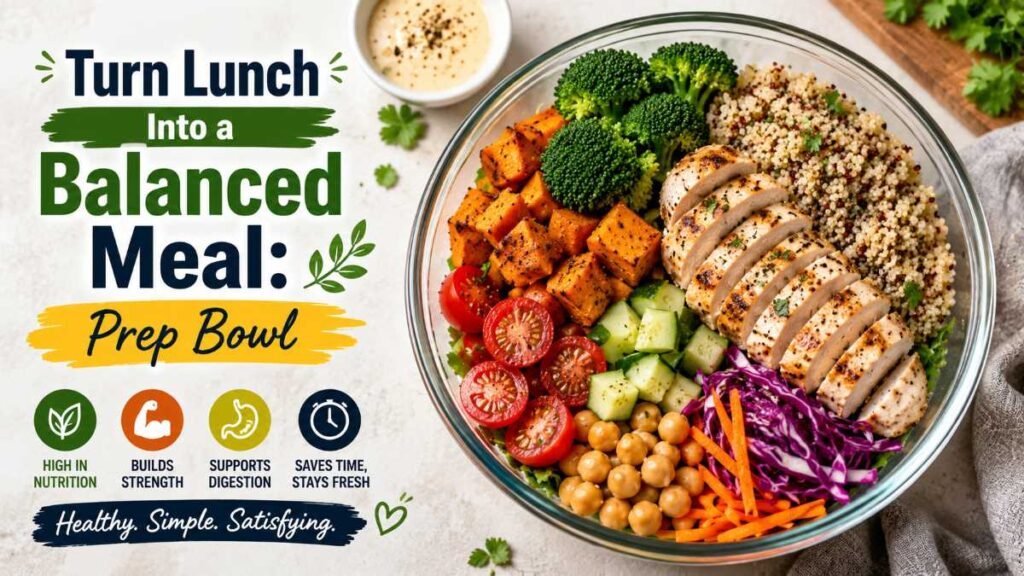
A good lunch does not need a complicated recipe. It needs a useful combination of foods.
Start with:
Protein + produce + quality carbohydrate + healthy fat
For example:
Chicken bowl: chicken, broccoli, peppers, brown rice, lemon and herbs.
Bean bowl: black beans, tomatoes, greens, quinoa and salsa.
Tuna plate: tuna, cucumber, mixed greens, whole-grain toast and lemon.
Lentil bowl: lentils, roasted vegetables, brown rice and garlic.
Egg plate: eggs, spinach, tomatoes, whole-grain toast and avocado.
This approach also makes leftovers more useful. Extra chicken can become tomorrow’s lunch. Roasted vegetables can go into wraps, bowls or eggs. Cooked rice can be reused instead of starting from scratch.
For more fiber-rich ingredients and meal-building ideas, explore these high-fiber foods
Make Dinner Work When You Are Tired
Dinner is where complicated plans often fall apart.
A recipe may promise 20 minutes, but fourteen ingredients and several pans can make it feel much longer.
Keep a few flexible dinners in rotation instead.
Easy Sheet-Pan Dinner
Roast chicken or fish with broccoli, carrots and onions. Add simple seasoning and serve with brown rice, potatoes or another grain.
Fast Bean Bowl
Combine black beans or chickpeas with rice, vegetables, salsa and avocado. Change the flavor with cumin, paprika, lemon, garlic or herbs.
Vegetable Egg Skillet
Sauté spinach, peppers, tomatoes, mushrooms or onions, then add eggs. Serve with potatoes or whole-grain toast.
Simple Lentil Dinner
Warm cooked lentils with tomatoes, onions, garlic and spices. Add spinach near the end and serve with rice or whole-grain bread.
These meals do not need to look like “health food.” They simply need to be balanced enough to support a sensible eating pattern while still tasting good.
The AHA’s 2026 guidance emphasizes the overall pattern rather than expecting one food or nutrient to carry the diet. (2026 AHA Dietary Guidance)
That is why healthy foods to make at home should be judged by more than nutrition numbers. A meal that takes too long or requires ingredients you never keep around is unlikely to become a lasting habit.
Make Snacks Convenient
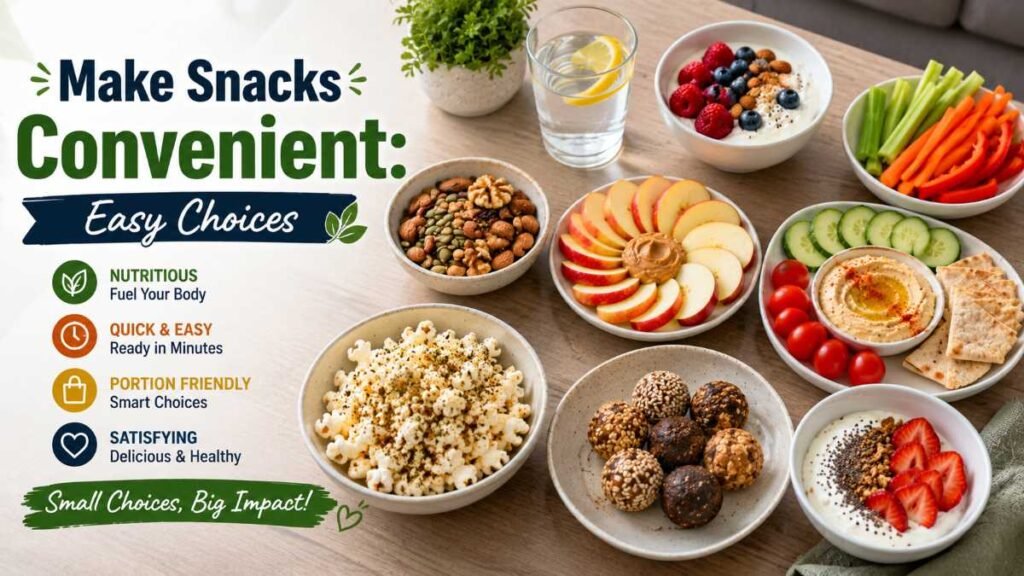
Snacking often comes down to what is easiest to grab.
Make nutritious choices just as visible and convenient.
Try:
- Apple with peanut butter
- Banana with nuts
- Plain yogurt with berries
- Carrots with hummus
- Hard-boiled egg with fruit
- Whole-grain crackers with cottage cheese
- Air-popped popcorn with fruit
- Homemade trail mix with nuts and seeds
You do not need a strict list of forbidden foods. Packaged snacks can fit into an overall eating pattern. The more practical goal is to make nutrient-dense choices easier to reach most of the time.
For more easy combinations, these healthy snack ideas for adults can help keep your routine from getting repetitive.
Make Healthy Eating Affordable
Eating well does not automatically require an expensive grocery cart. Oats, beans, lentils, eggs, potatoes, bananas, frozen vegetables, rice and plain yogurt are practical staples that can work across multiple meals. Beans and lentils are especially flexible. Use them in tacos, soups, salads, grain bowls or as part of a meal with a smaller amount of meat or fish.
Think of food in terms of usefulness rather than price tags.
Black beans with rice, tomatoes, avocado and spices can make a complete-feeling meal. Lentil soup can provide several portions. Potatoes with eggs and greens can work for breakfast, lunch or dinner. Frozen produce can also reduce waste when fresh ingredients regularly get forgotten in the refrigerator.
This is where healthy foods to make at home can be especially practical: simple staples often work for several meals, helping you save time, reduce waste and shop with more purpose. MyPlate encourages variety across vegetables, fruits, grains, protein foods and dairy or fortified alternatives while paying attention to added sugar, sodium and saturated fat.
USDA Nutrition.gov — Healthy Eating Guidelines Provides practical guidelines on meal balance, incorporating fresh, frozen,
and canned produce into daily diets.
Your grocery list does not need to be trendy.
It needs to be practical.
Create a 15-Minute Backup Meal System
Every household has nights when cooking feels like too much effort.
That is when a backup meal becomes valuable.
Keep a few dependable ingredients available:
Protein: eggs, canned beans, tuna, tofu or leftover cooked chicken
Produce: frozen broccoli, spinach, mixed vegetables or prewashed greens
Carbohydrates: rice, oats, whole-grain bread, potatoes or tortillas
Flavor: salsa, lemon, garlic, herbs and spices
Then mix and match.
Rice bowl: brown rice + beans + vegetables + salsa + avocado.
Egg dinner: eggs + spinach + tomatoes + whole-grain toast.
Tuna plate: tuna + greens + cucumber + whole-grain bread + lemon.
Yogurt bowl: plain yogurt + berries + banana + nuts.
The best emergency meal is not the most elaborate meal. It is the one you will actually prepare.
That is one reason healthy foods to make at home work best when they are designed around real life rather than perfect nutrition on paper.
A realistic backup meal can also prevent the familiar cycle of getting overly hungry, abandoning your plan and reaching for whatever happens to be fastest.
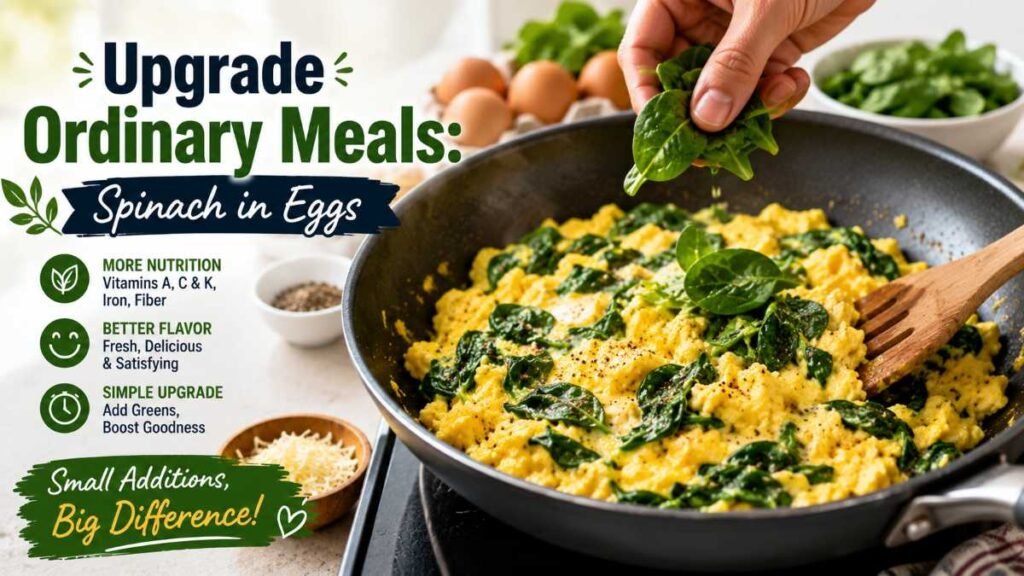
Upgrade Ordinary Meals Without Making Them Feel Like “Diet Food”
Healthy eating does not require rebuilding your entire kitchen.
Start with small upgrades.
Choose whole-grain bread more often. Add vegetables to pasta, eggs, soups and rice dishes. Use beans or lentils more often when they fit the meal. Include nuts, seeds, avocado, fish and plant oils as sources of unsaturated fat. Build flavor with garlic, herbs, citrus and spices before automatically adding more salt.
The updated AHA guidance recommends mostly whole grains instead of refined grains, varied protein sources, unsaturated fats in place of saturated fats where appropriate, more minimally processed foods, and less added sugar and sodium. (American Heart Association dietary guidance)
here is no need to overhaul your entire routine overnight.
Add berries and nuts to oatmeal.
Put spinach into eggs.
Add vegetables to a sandwich.
Mix lentils into soup.
Small improvements are easier to maintain—and repeated habits matter.
Choose Variety Instead of Chasing “Superfoods”
Nutrition gets confusing when every new trend promises a miracle ingredient.
There is no single food that can replace a varied eating pattern.
Vegetables provide different vitamins, minerals and fiber. Fruit brings natural sweetness and nutrients. Beans and lentils provide plant protein and fiber. Whole grains provide carbohydrates and fiber. Nuts and seeds contribute protein, minerals and unsaturated fats. Fish offers high-quality protein and, depending on the variety, omega-3 fats.
Instead of asking:
“What is the healthiest food?”
Ask:
“What is missing from this meal?”
Maybe you need vegetables. Maybe protein. Maybe a satisfying carbohydrate. Maybe more variety.
You can broaden your meal options with FitlifePeak resources on healthy carbohydrate foods, foods high in potassium and healthy fat foods.
This is a more useful way to approach healthy foods to make at home because it gives you a repeatable system instead of a list of supposedly perfect foods.
Make the Routine Sustainable
The best nutrition plan is not the one that looks impressive for a week.
It is the one you can still use months later.
Real life will interrupt your plans. You will have busy mornings, late evenings, leftovers, takeout and dessert. None of those moments automatically erase the rest of your eating pattern.
Sustainability comes from flexibility.
Cook extra when leftovers will genuinely help. Freeze food before it gets forgotten. Keep a few freezer staples available. Change seasonings so familiar ingredients taste different. Use meals your family already enjoys instead of constantly looking for new recipes.
You do not need seven completely different dinners every week.
You need a handful of meals you trust.
For busy households, these healthy meal ideas for busy families can make the same approach easier to put into practice.
And in the long run, healthy foods to make at home become most valuable when they stop feeling like a short-term challenge and start becoming part of your normal weekly rhythm.

A Small Food-Safety Habit That Matters
Nutritious food also needs safe handling.
The FDA recommends keeping the refrigerator at or below 40°F (4°C) and refrigerating perishable foods and leftovers within two hours of cooking or purchasing. On very hot days, the time limit can be shorter. Large amounts of leftovers should be divided into shallow containers so they cool more quickly. (FDA food storage and safety guidance)
Avoid thawing perishable foods on the counter, and keep raw foods separate from ready-to-eat foods. (FDA Safe Food Handling)
These small habits matter even more when you batch-cook several meals at once.
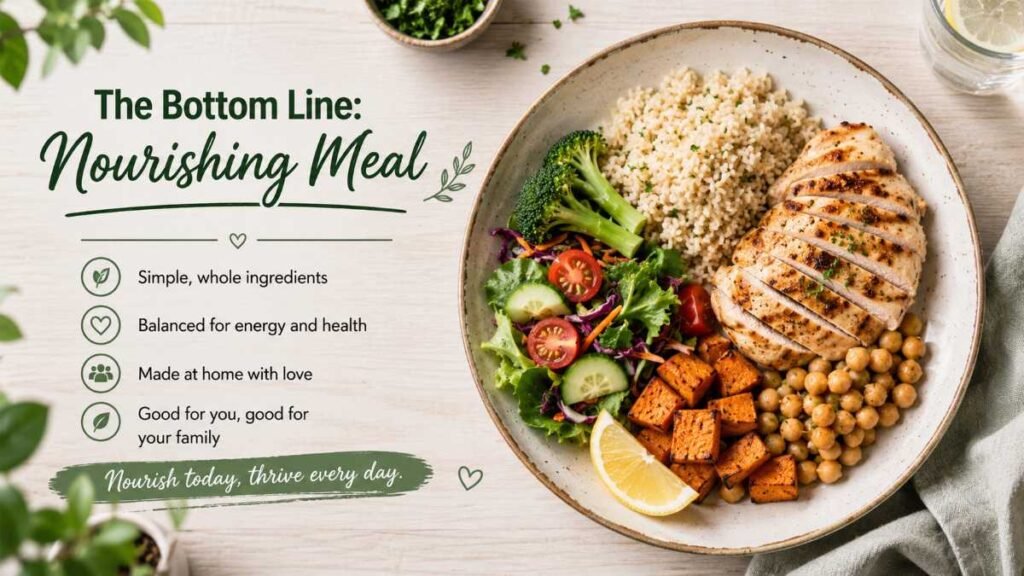
The Bottom Line: Make Healthy Eating Easier
The best healthy foods to make at home are the meals you can prepare when life gets busy—not the ones that demand perfect ingredients or hours of work. Build around produce, protein, quality carbohydrates and healthy fats. Keep affordable staples nearby, use frozen or canned foods when practical, and repeat meals that genuinely work for you.
Simple food, made consistently, beats a perfect plan you cannot maintain.
FAQ
Q1. What are quick healthy foods to make at home when you’re busy?
Simple meals like egg skillets, black bean bowls, oatmeal, or 15-minute sheet-pan dinners work best. Balancing lean protein with fiber keeps prep fast, practical, and nutritious.
Q2. What can young beginners or 12-year-olds easily cook?
Scrambled eggs on whole-grain toast, overnight oats, yogurt parfaits, and simple avocado wraps are safe, easy, and satisfying options to build confidence in the kitchen.
Q3. What are 10 simple healthy dinner ideas for everyday life?
Try sheet-pan fish, lentil soup, black bean bowls, egg skillets, turkey wraps, roasted veggies with quinoa, tuna plates, tofu stir-fry, brown rice bowls, or whole-wheat veggie pasta.
Medical & Scientific References:
USDA Nutrition Guidance:
USDA Nutrition.gov — Healthy Eating Guidelines
Provides practical guidelines on meal balance, incorporating fresh, frozen, and canned produce into daily diets.
American Heart Association (AHA) Dietary Guidelines:
American Heart Association — Healthy Eating Recommendations
Emphasizes overall dietary patterns, whole grains, lean proteins, unsaturated fats, and reducing added sugars and sodium.
FDA Food Safety & Handling:
FDA — Safe Food Handling and Storage Guidelines
Recommends keeping refrigerators at or below 40°F (4°C) and properly storing leftovers to prevent foodborne illness.
Disclaimer
This article is intended for general educational purposes and does not replace individualized medical or nutrition advice. Nutrition needs can vary based on age, activity level, medical conditions, medications, pregnancy, allergies and dietary requirements. Anyone managing a health condition or following a medically prescribed diet should speak with a qualified healthcare professional before making significant dietary changes.
About the AuthorDambar CP.R. is the founder of FitLifePeak and a health and wellness content creator. He creates evidence-based articles on nutrition, fitness, and healthy living, making trusted health information simple, practical, and easy to understand.