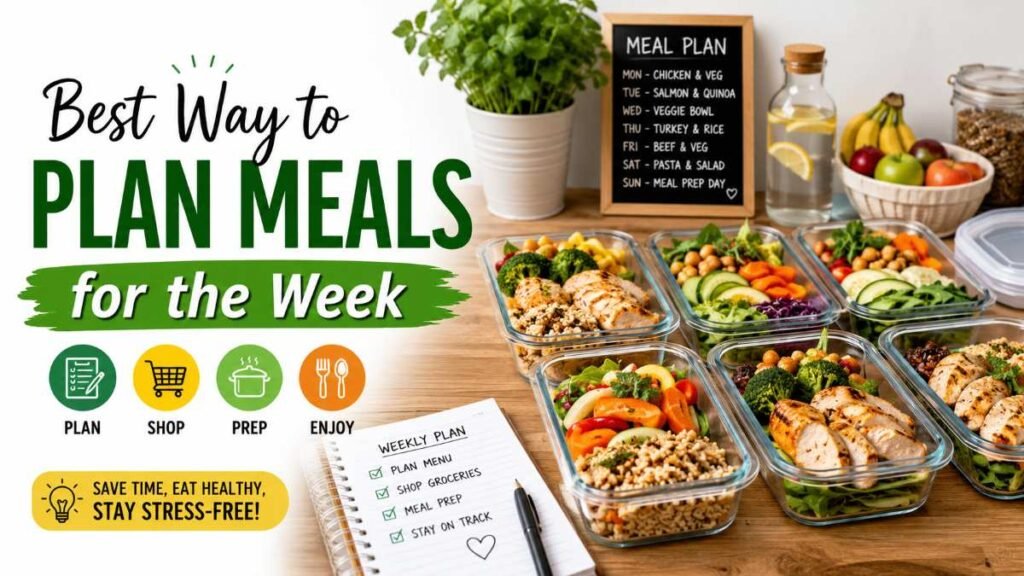
We have all been there—staring blankly into an open fridge on Wednesday night, watching expensive groceries rot while ordering overpriced takeaway. 1
The secret isn’t mapping out 21 perfect, rigid recipes. If you want to find the best way to plan meals for the week without losing your mind, you only need to master one simple habit: strategic ingredient overlap.
Here is how to slash your grocery bill, save hours in the kitchen, and finally stick to a routine that fits real life.
Look at Your Week Before Choosing Recipes
Start with your calendar, not Pinterest or a recipe app.
Think about which evenings are busy, which days you will eat lunch away from home, and whether you already have plans to eat out. Maybe Monday is quiet enough for cooking, Wednesday is packed with meetings, and Friday is usually a restaurant night. Your meal plan should reflect that reality.
For example:
Day | Lunch | Dinner |
Monday | Chicken grain bowl | Sheet-pan chicken and vegetables |
Tuesday | Leftovers | Bean and vegetable tacos |
Wednesday | Grain bowl | Quick pasta with vegetables |
Thursday | Pasta leftovers | Salmon, potatoes and vegetables |
Friday | Simple wrap | Flexible/eat out |
There is no reason to prepare an elaborate dinner on your busiest night. This is one of the biggest differences between a meal plan that looks good on paper and one you actually follow.
Build Meals Around Foods You Already Like
You do not need a complicated nutrition formula for every plate.
A practical meal can include a protein source, vegetables or fruit, a carbohydrate-rich food, and a source of fat when appropriate. Think about foods such as chicken, eggs, beans, lentils, fish, tofu, Greek yogurt, rice, potatoes, oats, whole-grain bread, vegetables and fruit.
The USDA MyPlate approach can be useful when you want a simple way to think about variety across food groups.
The important part is choosing foods you genuinely enjoy. A technically impressive meal is not useful if nobody wants to eat it. If you are also working on your overall eating pattern, these healthy eating habits provide a useful foundation.

Cook Ingredients Once and Use Them Twice
One of the smartest parts of weekly meal planning is ingredient overlap. Suppose you roast chicken, cook rice and prepare vegetables on Sunday. You can use those foods in several different ways during the week.
Monday might be a chicken and rice bowl.
Tuesday could become chicken tacos with salsa and vegetables.
Later in the week, the same chicken could go into a wrap or salad.
The food has not changed dramatically, but the meal feels different.
The same strategy works with beans, roasted vegetables, potatoes, cooked grains and even hard-boiled eggs. This best way to plan meals for the week approach also helps control grocery spending because you are buying ingredients with a purpose instead of purchasing everything required for several unrelated recipes.
Keep Breakfast and Lunch Simple
Breakfast and lunch are often the easiest places to reduce unnecessary decisions. Instead of seven different breakfasts, choose two or three.
You might rotate:
- Greek yogurt, berries and oats
- Eggs, whole-grain toast and fruit
- Overnight oats with banana and nuts
Lunch can follow the same idea. Leftovers are one of your best meal-planning tools. A dinner that becomes tomorrow’s lunch saves both cooking time and money. For additional breakfast inspiration, these high-protein breakfast ideas can give you more options without requiring a completely new grocery list every morning.
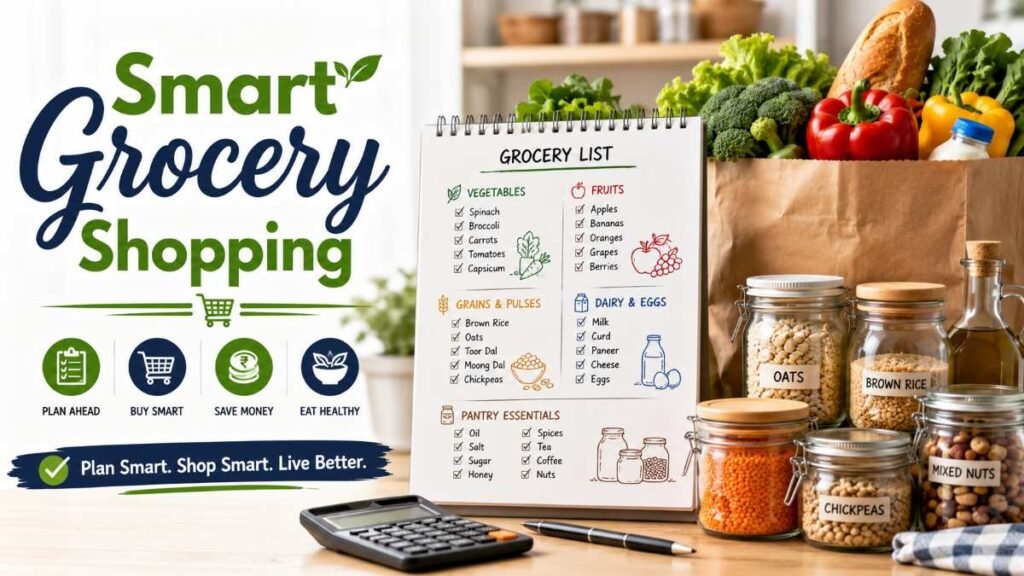
Make Your Grocery List From the Meals
Once the meals are chosen, write your grocery list based on what you actually need. Before shopping, check the pantry, freezer and refrigerator. You may already have rice, oats, canned beans, spices or frozen vegetables that can become part of the week’s meals.
Then shop for versatile ingredients.
For example, eggs can cover breakfast and quick dinners. Beans can become tacos, bowls or soup. Greek yogurt can work as breakfast, a snack or part of a sauce. Frozen vegetables can be added to pasta, rice dishes and stir-fries.
That kind of flexibility is especially useful when trying to keep healthy meal planning affordable. Buying ingredients that work across several meals also reduces the chance that something gets used once and forgotten.
Prep What Actually Saves Time
Meal prep and meal planning are related, but they are not the same thing. You can plan your meals without spending your entire Sunday cooking. A useful prep session might involve cooking a grain, roasting vegetables, preparing a protein, washing produce and portioning a few snacks.
You do not necessarily need to assemble seven complete containers.Some foods are better prepared closer to mealtime. Avocado, crisp salads, toast and certain delicate fruits can lose quality when prepared too far ahead.
Ask yourself:
What can I prepare now that will make a busy weekday easier?
If cooking rice today saves 20 minutes later in the week, it is worth doing. If preparing five identical salads means eating soggy vegetables by Thursday, it probably is not.
Leave Room for Real Life
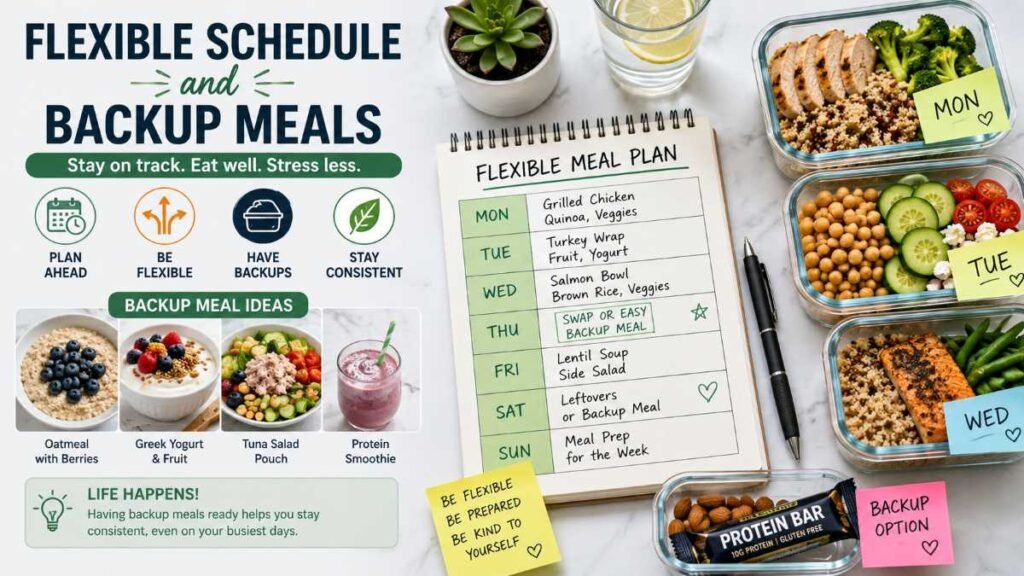
A rigid meal plan often fails for a simple reason: real life does not follow the calendar perfectly. You may work late, change dinner plans, eat out unexpectedly or simply decide you do not want the meal you planned.
Build flexibility into the system.
Keep one or two easy backup meals available. Eggs and toast, rice with beans and vegetables, soup with whole-grain bread, or a simple pasta dish can rescue a busy evening without requiring another grocery trip.
You can also keep a few practical snacks available. Fruit, yogurt, nuts, hummus and roasted chickpeas are easy choices depending on your preferences and storage options. These healthy snack ideas for adults can help expand that rotation.
The best way to plan meals for the week is therefore not to control every meal. It is to make the easier choice available when your schedule gets messy.
Plan Around Your Budget
Meal planning can help lower food costs, but only if the plan is realistic. Start with inexpensive, versatile staples such as oats, beans, lentils, eggs, potatoes, rice, frozen vegetables and seasonal produce.
You can then add a few preferred proteins and fresh foods.
Do not assume every meal needs premium ingredients. A simple bean-and-rice bowl can be just as useful in a weekly meal plan as a more expensive recipe. Frozen fruits and vegetables can also be practical when fresh produce tends to spoil before you use it. Most importantly, plan at least one leftover meal. Throwing away food you purchased but never used is rarely good for the grocery budget.
Avoid the Meal-Planning Mistakes That Create More Work
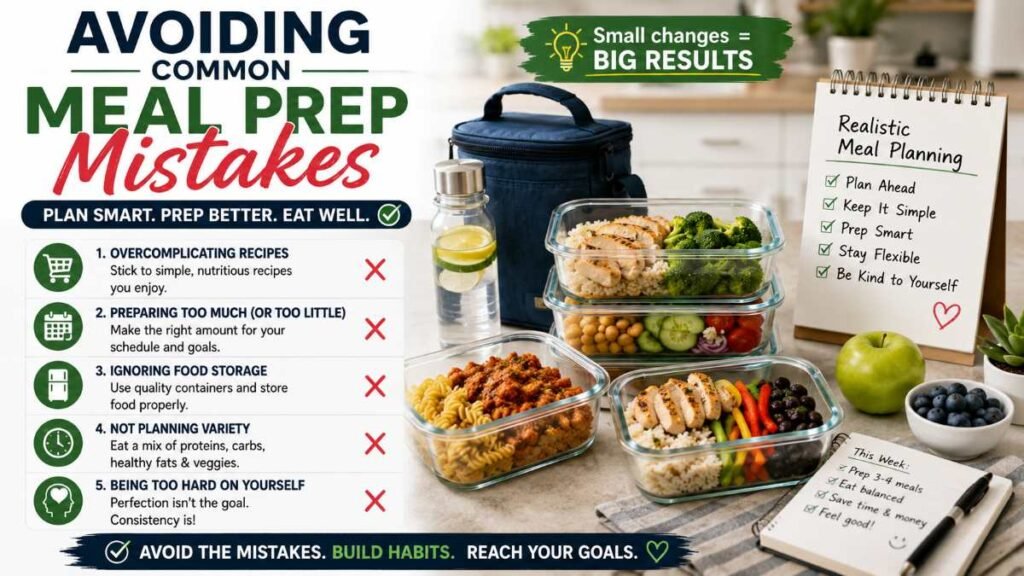
The most common problem is overplanning.
If you have never followed a weekly meal plan before, preparing seven elaborate dinners is probably too ambitious. Another mistake is choosing recipes that require completely different ingredients. Five recipes may sound manageable until you realize you need 40 separate grocery items.
Keep some repetition.
There is nothing wrong with eating the same breakfast twice or turning last night’s dinner into today’s lunch. Also remember food safety. Perishable foods should be refrigerated appropriately, and the USDA recommends keeping the refrigerator at 40°F (4°C) or below. The USDA Food Safety and Inspection Service provides detailed guidance on safe food storage and handling.
For additional household food-safety information, the FDA’s food-safety guidance is another reliable reference.
A Simple Sunday System You Can Repeat
You do not need a complicated planning ritual. Spend a few minutes looking at your schedule. Choose your meals. Check what you already have. Write the grocery list. Then prepare the ingredients that will save the most time.
A simple weekly rhythm might be:
Sunday: shop and prepare a few basics.
Monday–Tuesday: use fresh meals and prepared ingredients.
Wednesday: rely more heavily on leftovers or an easy dinner.
Thursday: use remaining ingredients creatively.
Friday: leave room for eating out or a flexible meal.
Weekend: use leftovers, restock, and begin planning again.
After a few weeks, you will probably notice which meals consistently work and which ones create unnecessary effort. Keep the winners and replace the rest. That is how meal planning becomes a routine rather than another task on your to-do list.
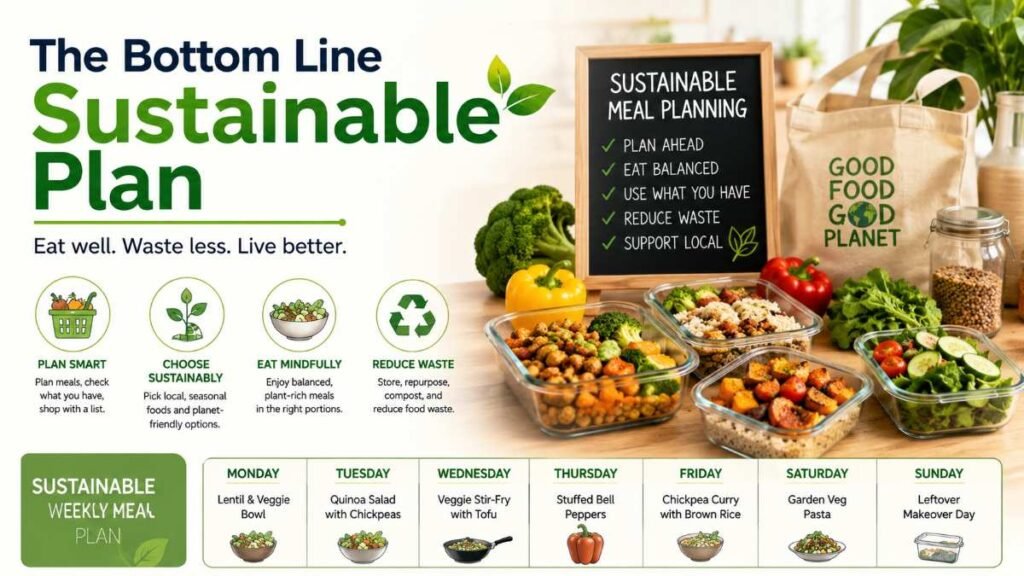
The Bottom Line
The best way to plan meals for the week is to keep the system realistic. Look at your calendar first, choose meals you actually enjoy, buy ingredients that can be used more than once, prepare only the foods that save meaningful time, and leave some space for unexpected changes.
You do not need a perfect seven-day menu.
You need a plan that still works when Wednesday gets busy.
That is what makes weekly meal planning sustainable—and ultimately much more useful than a complicated schedule you cannot maintain.
Frequently Asked Questions
It is a simple structure using 3 proteins, 3 veggies, and 3 carbs—often called the best way to plan meals for the week to avoid recipe burnout.
- Q2: What is the 5-4-3-2-1 meal planning method?
A smart grocery strategy: buy 5 veggies, 4 fruits, 3 proteins, 2 sauces, and 1 grain—the best way to plan meals for the week on a budget.
- Q3: What is the best way to meal prep for a week?
Focus on ingredient prep rather than full dishes. Batch-cooking basics is the best way to plan meals for the week without eating soggy leftovers.
- Q4: What is the 5 4 3 2 1 eating rule?
It balances your grocery cart to ensure nutritious dinners while keeping your routine flexible—making it the best way to plan meals for the week with zero waste.
Authoritative External References
Medical Disclaimer: The information on FitLifePeak is for general educational purposes and does not replace professional medical or nutritional advice. Individual dietary needs vary. If you have a medical condition, food allergy, or specific dietary requirement, consult a qualified healthcare professional or registered dietitian before making major dietary changes.
Dambar CP.R. is the founder of FitLifePeak and a health and wellness content creator. He researches official guidelines (like USDA, FDA, and NHS) to write evidence-based articles on nutrition, fitness, and healthy living, making trusted health information simple, practical, and easy to understand.