Ever wake up feeling weighed down by stubborn brain fog, aching joints, or a slow, constant fatigue that your doctor can’t quite put a finger on? It is easy to write these off as normal signs of aging, but the real issue is often chronic internal inflammation slowly taking a toll on your cells.
Here’s the thing: you don’t need a handful of prescriptions to turn things around. By making a few intentional changes to what you put in your grocery cart, starting a targeted anti-inflammatory diet can ease cellular stress, boost your daily energy, and protect your long-term health starting right now.
The Two Types of Inflammation
To fix the problem, it helps to understand how our immune system gets thrown off track. Imagine your body as a house. Acute inflammation is like a firefighter rushing in to put out a sudden grease fire. When you get a splinter or catch a bad cold, your white blood cells rush to the site, causing brief redness, swelling, and heat to heal the tissue before turning off the hose.
Systemic (chronic) inflammation, on the other hand, is like a slow leak behind your walls that never stops. Instead of healing a specific injury, your immune system stays in a low-grade state of constant alert.
- What Triggers It: Daily exposure to environmental pollutants, ongoing stress, lingering post-viral effects, and the natural biological aging process all play a role.
- The Food Factor: What you eat three times a day either feeds this fire or helps cool it down. Diets high in refined carbs, trans fats, and added sugars constantly irritate white blood cells, accelerating wear and tear on your tissues.
To dig deeper into how long-term immune stress speeds up cellular aging, you can explore research from Harvard Health Publishing.

Foods That Drive Inflammation
If you want to calm internal inflammation, you need to stop feeding it the foods that trigger it in the first place. A few everyday supermarket staples consistently cause trouble inside the body:
- Ultra-Processed Meats: Bacon, hot dogs, sausage, and deli cold cuts contain chemical preservatives and advanced glycation end-products (AGEs) that trigger systemic stress.
- Refined Carbohydrates: White bread, pastries, and packaged pasta break down quickly into blood sugar spikes, driving up inflammatory signaling molecules (cytokines).
- Sugary Drinks: Sodas, sweetened iced teas, and store-bought juices overwhelm the liver with fructose, leading to stubborn belly fat and internal swelling.
- Industrial Trans Fats: Frequently found in margarine, microwave popcorn, and packaged treats, these artificial fats directly irritate the delicate lining of your blood vessels.
Smart Kitchen Habits
You can buy the highest-quality organic salmon and fresh broccoli, but if you cook them incorrectly, you can inadvertently create harmful compounds. The way you prepare food alters its chemical makeup.
Kitchen Tip: High-heat grilling—especially letting red meat char over open flames—causes dripping fats to smoke, forming harmful polycyclic aromatic hydrocarbons (PAHs) right on your meal. Swap heavy grilling for gentle steaming, baking, or a quick stir-fry to protect delicate nutrients.
Watch out for hidden traps, too. Drowning healthy steamed vegetables in heavy cream sauces or store-bought dressings packed with soybean oil and high-fructose corn syrup quickly wipes out the benefits of all that great plant fiber.

Core Anti-Inflammatory Pillars
Fighting internal inflammation isn’t about eating boring, dry meals. It’s about making deliberate choices at the grocery store that quiet your body’s immune stress, balance daily blood sugar, and drive down clinical markers like C-reactive protein (CRP):
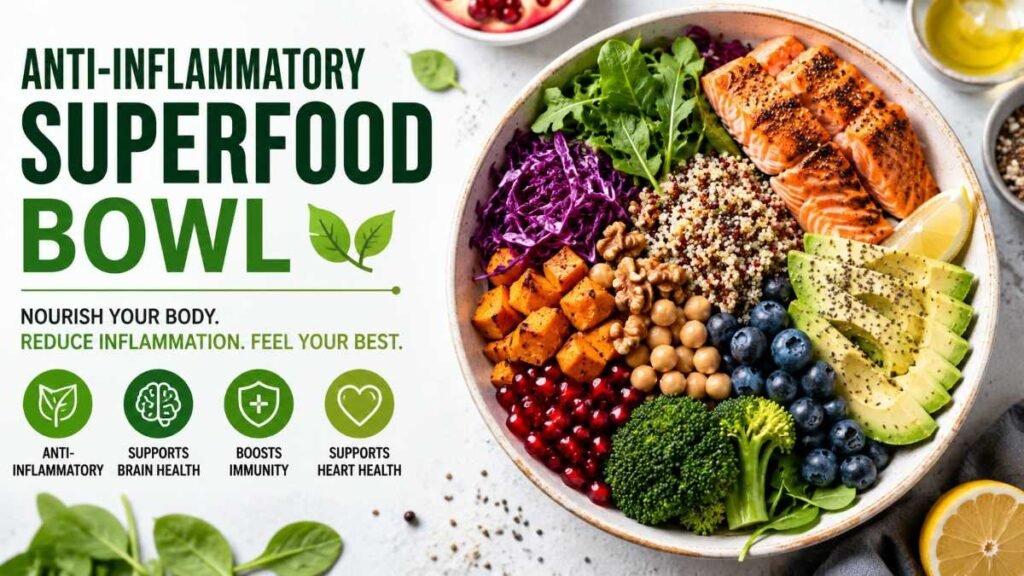
- Omega-3 Fatty Acids: Sourcing healthy fats from wild salmon, sardines, walnuts, and chia seeds supplies essential EPA and DHA. These nutrients help produce specialized compounds that tell your immune system to lower pro-inflammatory cytokine activity.
- Plant Antioxidants: Dark berries, leafy greens, green tea, and extra-dark chocolate carry high amounts of polyphenols. They sweep up destructive free radicals before they can damage cell membranes.
- Gut Protection: Combining cultured probiotic foods with prebiotic plant fiber strengthens your digestive tract lining. Adding gut-healthy foods keeps bacterial endotoxins from escaping into your bloodstream and triggering whole-body irritation.
A Simple 7-Day Anti-Inflammatory Routine
Instead of strict meal plans, use this flexible weekly flow inspired by a traditional Mediterranean diet meal plan:
- Monday: Start your morning with a berry-walnut chia bowl. For lunch, toss quinoa with diced cucumbers and olive oil. Finish dinner with broiled salmon, steamed broccoli, and baked yams. Snack on raw almonds and green tea.
- Tuesday: Blend a green spinach-flax smoothie for breakfast. Eat a grilled chicken salad with lemon-tahini dressing for lunch. Enjoy a bowl of warm turmeric lentil soup with kale for dinner, followed by a dark chocolate square.
- Wednesday: Warm up cinnamon rolled oats in almond milk. Serve sardines over sprouted avocado toast for lunch. Roast turkey breast with Brussels sprouts for dinner, and slice an apple with almond butter for a snack.
- Thursday: Scramble farm eggs with fresh baby spinach. Mash chickpeas and avocado with fresh lemon juice for lunch. Stir-fry wild shrimp with bell peppers over cauliflower rice for dinner, with fresh raspberries for dessert.
- Friday: Layer unsweetened Greek yogurt with fresh chia seeds and berries. Reheat leftover lentil soup for a quick lunch. Bake white fish with an olive relish alongside asparagus for dinner, and dip celery in hummus for a snack.
- Saturday: Make a protein berry smoothie bowl topped with hemp seeds. Toss roasted root vegetables over quinoa for lunch. Pan-sear mackerel paired with a massaged kale salad for dinner, and grab a small handful of walnuts.
- Sunday: Top sprouted sourdough with mashed avocado and hemp seeds. Enjoy a wild salmon salad with cider dressing for lunch. Simmer a hearty white bean and spinach garlic stew for dinner, accompanied by warm green tea.
Practical Grocery Swaps
Trying to overhaul your whole kitchen overnight usually leads to frustration. Lasting health changes happen through small, simple swaps:
Swap Out This Inflammatory Choice… | Try This Anti-Inflammatory Alternative… |
Processed meat charcuterie boards | Raw veggie sticks with hummus made with extra-virgin olive oil |
Deep-fried french fries | Baked sweet potato wedges tossed in avocado oil |
Heavy, cheese-laden pasta sauces | Extra-virgin olive oil, fresh lemon juice, garlic, and fresh herbs |
Grain-fed beef burgers | Grilled portobello mushroom caps or thick eggplant slices |
Commercial bakery snacks | A square of 85% dark chocolate with fresh raspberries |
How to Read Food Labels
Imagine standing in the grocery aisle. Two salad dressings sit side by side. One promises “low fat” on the front label, while the other is made with extra virgin olive oil and simple herbs. At first glance, they both seem healthy—but flipping the bottles over tells a completely different story.
Today’s grocery store aisles are packed with hidden sugars and refined seed oils that can be quite harmful to our health. Food packages are often covered in clever marketing claims, which makes reading the actual ingredient list on a daily anti-inflammatory diet your absolute best line of defense.
- Watch Out for Hidden Sugars: Food companies use dozens of different names for sugar. If you see ingredients ending in “-ose” (like dextrose or maltose) or additives like “brown rice syrup” and “evaporated cane juice,” expect a quick blood sugar spike and subsequent inflammatory response.
- Avoid Refined Seed Oils: Oils high in omega-6 fatty acids—like soybean, corn, canola, and cottonseed oil—are standard in most packaged snacks and dressings. Consuming far more omega-6s than omega-3s can keep your immune system on edge.
For broader insights on global nutritional standards, review the evidence-based guidelines from the World Health Organization.

Rest, Stress, and Movement
Food is incredible medicine, but it is only one piece of the puzzle. You simply cannot out-eat chronic daily stress or poor sleep. When stress hormones like cortisol stay high, your body releases inflammatory molecules that cause cellular wear and tear similar to a poor diet.
- The Importance of Deep Sleep: Quality sleep helps your brain clear out metabolic waste and naturally brings down inflammatory markers by morning.
Anti-Inflammatory Exercise: You don’t have to push through brutal workouts. Over-exercising can actually cause excessive muscle strain and oxidative stress. Stick to consistent, moderate movement like brisk walking, swimming, or gentle yoga to improve insulin response without exhausting your body.
Building a Lasting Routine
Shifting toward an anti-inflammatory diet is a journey, not a quick fix. Chronic inflammation builds up over years, so turning things around requires steady, regular effort rather than extreme dieting.
- Who Sees the Biggest Shift? Anyone dealing with stiff joints, sluggish energy, or early signs of insulin resistance often notices clearer thinking and easier movement within just a few weeks of clearing up their diet.
- The Long-Term Rewards: By focusing on whole foods, healthy fats, and a wide variety of plants, you significantly protect your brain and heart health over time.
Healthy eating isn’t about perfection. It’s about giving your body one better choice today than you made yesterday. Over time, your fridge goes from being a source of hidden cellular strain to your best daily tool for long-term vitality.
How We Selected These Recommendations
Our health and nutritional advice is built on evidence-based research. We put these guidelines together by looking at:
- Peer-Reviewed Clinical Research: Reviewing randomized controlled trials focused on dietary habits and key inflammation markers.
- Expert Guidelines: Aligning with dietary advice from trusted medical institutions, including the National Institutes of Health, Harvard Health Publishing, and the World Health Organization.
Nutritional Science: Prioritizing foods that help reduce C-reactive protein (CRP), support healthy gut flora, and improve insulin sensitivity without requiring strict calorie counting.
The Longevity Verdict: Your Daily Path to Cellular Health
Committing to an anti-inflammatory diet is one of the best daily investments you can make in your long-term health span. By easing off inflammatory triggers, refining your cooking habits, and filling your meals with nutrient-rich whole foods, you take back control of how you feel every day. Sustainable progress comes from simple, steady mealtime choices rather than sudden overnight overhauls.
FAQ – Anti-Inflammatory Diet
- What is the best diet to reduce inflammation?
The Mediterranean diet is a top choice because it emphasizes vegetables, fruits, whole grains, healthy fats, and lean protein while limiting processed foods. - What are the 10 anti-inflammatory foods?
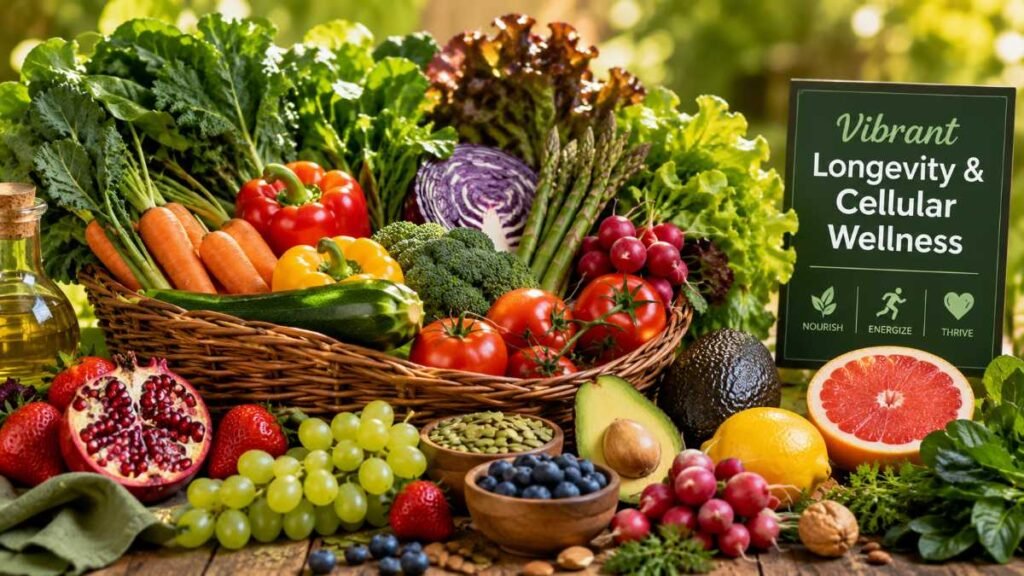
Salmon, berries, leafy greens, broccoli, tomatoes, walnuts, almonds, olive oil, turmeric, and avocados are excellent anti-inflammatory foods. - What is a 21-day anti-inflammatory diet plan?
It focuses on eating whole, nutrient-rich foods for three weeks while avoiding added sugar, refined carbs, and highly processed meals.
Medical & Trust Metadata
- Content Review Standard: Content reviewed using current evidence from Harvard Health Publishing, World Health Organization, and peer-reviewed nutritional literature.
Medical Disclaimer: The information provided in this article is for educational and informational purposes only and should not be considered medical advice, diagnosis, or treatment. Always consult a qualified healthcare professional before making changes to your diet, exercise routine, supplements, or medications. Individuals taking blood thinners or managing chronic health conditions should seek personalized medical guidance before increasing vitamin K-rich foods or high-dose omega-3 supplements.
About the AuthorDambar C.P.R. is the founder of FitLifePeak. He researches nutrition, fitness, and everyday wellness topics from trusted sources and turns them into simple, practical guidance for everyday readers.